Preventive vs Corrective Maintenance of Electric Motors
Electric motors are integral components of a variety of industrial and commercial applications, driving machinery, enabling automation, and powering systems that are vital to productivity. Their operation impacts not only manufacturing efficiency but also the overall operational costs of businesses. Given their pervasive use, maintaining electric motors is essential to ensure reliability, operational efficiency, and longevity.
The significance of electric motor maintenance cannot be overstated. Without regular maintenance, motors can face a range of issues including reduced efficiency, unexpected failures, and even complete breakdowns, which can lead to costly downtime. Industrial facilities particularly depend on these motors for seamless operations; therefore, a comprehensive understanding of maintenance strategies is critical to sustaining productivity and minimizing financial loss.
There are primarily two approaches to electric motor: maintenance preventive (PM) and maintenance corrective (CM) . The first involves proactive measures taken to inspect, service, and repair motors before any signs of failure manifest. This strategy focuses on scheduled maintenance tasks aimed at identifying potential problems early, ensuring the motor operates at peak efficiency, and extending its lifespan. This could include regular inspections, lubrication, and replacement of worn components.
On the other hand, corrective maintenance is reactive in nature, addressing issues only after they have occurred. This approach can often result in unplanned downtime, which can significantly disrupt operations and increase associated costs. Understanding these two methodologies and their respective implications is vital for any organization that relies on electric motors. Each approach has its merits and limitations, and organizations must carefully evaluate their specific operational needs to choose the right strategy that balances performance and cost-effectiveness.
What is Preventive Maintenance?
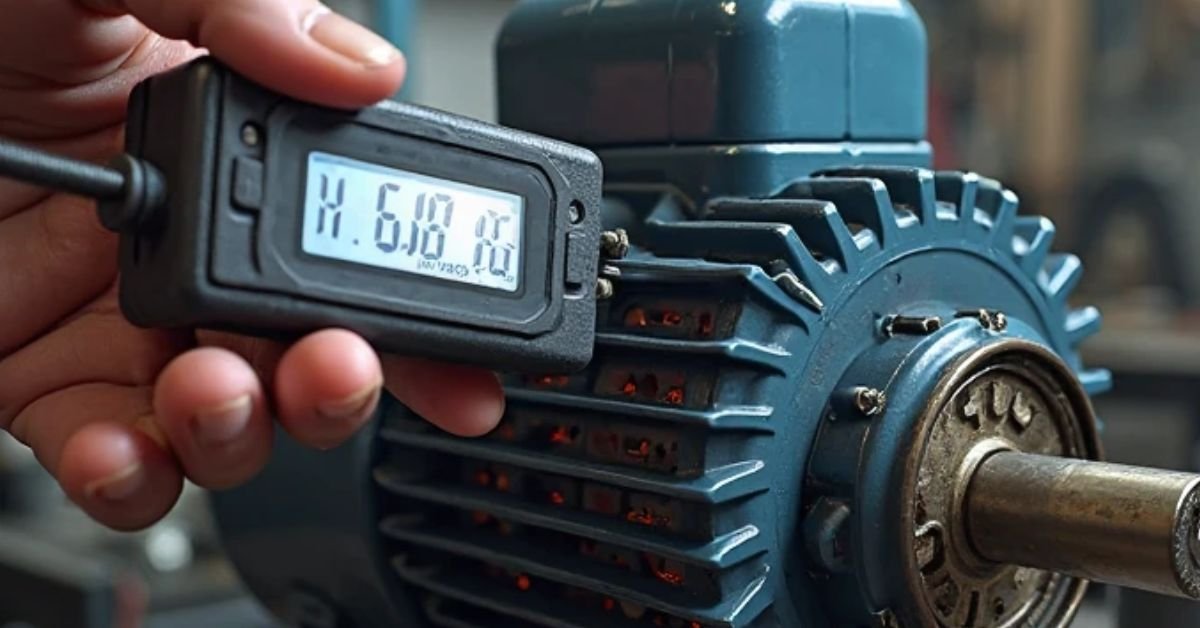
It is a proactive strategy designed to ensure the reliable operation of electric motors through the scheduling of routine maintenance activities. This approach emphasizes identifying and resolving potential issues before they escalate into significant failures. By adopting it, organizations can not only extend the lifespan of their electric motors, but also increase operational efficiency.
The main activities involved in this type of maintenance include regular inspections, lubrication, and timely replacement of parts. Inspections are conducted to evaluate the overall condition of the motor and its components, allowing technicians to spot wear and tear or signs of malfunction early on. Lubrication is essential for minimizing friction between moving parts, reducing the risk of overheating and subsequent motor damage. Additionally, parts that exhibit signs of deterioration, such as bearings or seals, are replaced based on a predetermined schedule, further safeguarding against unexpected motor breakdowns.
Implementing this type of program can bring numerous benefits. One of the primary advantages is the increase in motor lifespan. By regularly maintaining electric motors, organizations can avoid the costs associated with premature replacements. In addition, it significantly reduces downtime. Scheduled maintenance occurs at predetermined intervals, allowing for planned disturbances that do not disrupt operations. Finally, the efficiency of electric motors can be greatly enhanced through preventive practices, as well-maintained motors tend to operate at optimum performance levels, leading to energy savings and improved productivity.
These types of common maintenance plans vary depending on the engine application and the operating environment. For instance, industrial motors might require weekly lubrication and monthly inspections, while smaller, less intensive motors could be serviced quarterly. Tailoring the maintenance schedule to the specific needs of the motor plays a vital role in maximizing its effectiveness.
What is Corrective Maintenance?
This refers to a reactive approach to motor management, implemented after a fault or malfunction of the electric motor has been identified. This type of maintenance aims to restore equipment to its operational state following an unexpected breakdown or performance drop. The process typically begins with the diagnosis of the malfunction, where technicians examine the motor to ascertain the underlying issues. This may involve a series of evaluations, including visual inspections, performance testing, and the use of diagnostic tools to uncover the root cause of the problem.
Once the issue has been accurately diagnosed, the necessary repairs or replacements of components are conducted. This step may include activities such as fixing faulty wiring, replacing worn bearings, or installing new electrical components. The ultimate goal of this type of maintenance is to minimize downtime and restore engine functionality in the shortest time possible. However, reliance solely on corrective maintenance can lead to several drawbacks, particularly in terms of operational efficiency and cost.
One major disadvantage of this approach is the potential for increased operational costs. Reactive maintenance is often more expensive than preventive maintenance, as it typically involves emergency repairs that can be more complex and time-consuming. Additionally, unplanned downtime can significantly impact productivity, often resulting in lost revenue. For instance, in an industrial setting, if a motor fails unexpectedly during peak production hours, the resulting halt in operations can lead to substantial financial losses and reduce output quality.
In conclusion, while corrective maintenance is essential for addressing acute issues, it is also crucial to recognize its limitations. A balanced approach that incorporates both corrective and preventive maintenance strategies can enhance motor reliability and overall operational efficiency.
Comparing The Two Types of Maintenance
When managing electric motors, selecting the appropriate maintenance strategy is crucial for ensuring their reliability and performance. PM and CM offer different benefits and approaches that cater to diverse operational needs. PM involves regular and systematic inspections, adjustments, and replacements aimed at reducing the likelihood of breakdowns. It allows for the identification of potential issues before they escalate into significant problems. Typically, PM is scheduled during non-peak hours to minimize disruptions to production, and its costs are usually predictable, given that they are based on planned intervals.
On the other hand, corrective maintenance occurs after a failure has already taken place. This reactive approach focuses on repairing or replacing motor components as needed to restore functionality. While corrective maintenance can sometimes seem less expensive due to its pay-as-you-go nature, it carries inherent risks. Downtime and unplanned outages often result in higher costs, both from lost productivity and emergency service fees. CM may not prioritize long-term equipment life or efficiency, leading to potentially greater total costs over time compared to preventive strategies.
A comparative analysis highlights the advantages and disadvantages of both methods. PM is proactive, enabling improved motor lifespan and reliability, while its initial setup may require significant time and resource investment. Conversely, corrective maintenance can be more straightforward but does not encourage foresight or long-term planning, potentially leading to recurrent issues that affect operational continuity.
Integrating both approaches into a maintenance plan can yield optimal results for electric motor management. By balancing preventive measures with necessary corrective actions, organizations can ensure motors operate efficiently while minimizing unexpected failures. Understanding the nuances between preventive and corrective maintenance enables organizations to tailor their strategies effectively and adapt to their specific operational contexts.
Conclusion
Understanding the distinction between the two types of maintenance is fundamental to improving the performance and reliability of electric motors. Preventive maintenance offers a proactive approach that prioritizes inspection, lubrication, and timely replacement of components to reduce the risk of failure. By addressing potential issues before they escalate, organizations can extend motor lifespan, enhance operational efficiency, and minimize unexpected downtime that disrupts productivity and increases costs.
Corrective maintenance, on the other hand, plays a necessary yet reactive role. While it focuses on restoring functionality after failures occur, relying solely on this approach can lead to higher expenses, prolonged downtime, and reduced equipment longevity. However, these actions remain crucial for dealing with unforeseen problems that cannot be predicted through regular maintenance routines. When implemented strategically, corrective maintenance ensures that critical systems are swiftly brought back to optimal operation.
Ultimately, the most effective strategy lies in finding the right balance between the two types of maintenance. A combined approach allows organizations to maximize the benefits of both—leveraging the foresight of preventive care while maintaining the flexibility to address unexpected breakdowns. This integrated maintenance philosophy not only enhances the reliability of electric motors but also supports long-term cost efficiency, safety, and overall operational success.
You might also like to read about: How to Identify Signs of Wear in Electric Motors.
FAQ: Maintenance of Electric Motors
1. What is the difference between the two types of maintenance?
Preventive maintenance is a proactive approach focused on regularly scheduled inspections, lubrication, and part replacements to prevent failures. Corrective maintenance, on the other hand, is reactive and performed only after a malfunction has occurred.
2. Why is preventive maintenance important for electric motors?
Preventive maintenance helps extend the lifespan of electric motors, improve efficiency, and reduce unexpected downtime. It allows organizations to detect and fix potential issues before they cause major disruptions.
3. What are some common preventive maintenance activities?
Typical tasks include regular inspections, lubrication of moving parts, cleaning, tightening electrical connections, and replacing worn components such as bearings or seals at scheduled intervals.
4. What are the main disadvantages of corrective maintenance?
This type of maintenance often leads to unplanned shutdowns, higher emergency repair costs, and potential safety risks. Because failures occur without warning, production can be unexpectedly interrupted, resulting in financial losses.
5. Can corrective maintenance still be useful?
Yes. While it shouldn’t be the only strategy, it’s essential for dealing with sudden or unavoidable breakdowns. It ensures that equipment is restored quickly and that operations can be resumed with minimal delay.
6. How often should preventive maintenance be performed?
The frequency depends on factors like motor type, workload, and operating environment. Industrial motors may require weekly lubrication and monthly inspections, while smaller motors may be serviced quarterly.
7. What are the long-term benefits of preventive maintenance?
It increases engine reliability, reduces energy consumption, and lowers total operating costs over time. It also improves workplace safety by minimizing the risk of sudden failures.
8. Is corrective maintenance more expensive than preventive maintenance?
Yes, in most cases. Although preventive maintenance requires consistent investment, corrective repairs are often more expensive due to emergency service fees, replacement parts, and downtime-related losses.
9. How can companies balance the two types of maintenance?
The best approach is to integrate both methods—using preventive maintenance as the primary strategy while applying corrective actions when necessary. This balance ensures reliability and cost-effectiveness.
10. What is the best maintenance strategy for electric motors?
A hybrid maintenance plan that prioritizes preventive care while preparing for occasional corrective repairs is ideal. This approach ensures consistent performance, reduced downtime, and long-term cost savings.
See also: Electric motor maintenance checklist.