Noises and Vibrations in Electric Motors
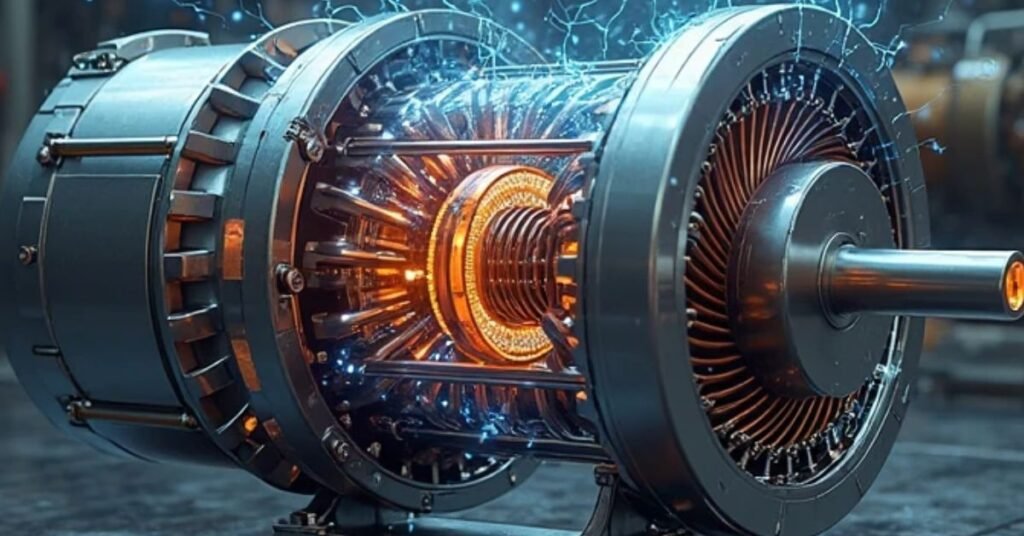
Electric motors are essential components in various industrial applications, converting electrical energy into mechanical energy to drive machinery and systems. They operate based on electromagnetic principles, comprising key components such as stators, rotors, windings, and bearings. The stator generates a magnetic field when an electric current flows through the windings, while the rotor rotates within this field, producing mechanical motion.
As electric motors function, they inherently generate sounds and vibrations. These auditory and physical sensations vary, largely depending on the motor type and its operational context. Common noises include humming or buzzing, which typically arise during normal operation due to electromagnetic interactions within the motor. Vibration is also a standard occurrence, as rotating components may cause minor oscillations.
However, it is crucial to differentiate between typical and atypical sounds and vibrations. Typical operational noises are generally steady and predictable, while unusual or erratic sounds can be indicative of wear, imbalance, misalignment, or other maintenance issues. For instance, grinding or scraping noises often suggest that internal components are experiencing high levels of friction or damage. Similarly, increased vibration levels can signal misalignment or a failing bearing, potentially leading to motor failure if left unaddressed.
The significance of noise and vibration analysis in the maintenance and troubleshooting of electric motors cannot be overstated. By regularly monitoring these parameters, technicians can detect early signs of mechanical problems, allowing for timely interventions. Employing diagnostic tools such as vibration analysis and acoustic monitoring can significantly enhance maintenance strategies, ultimately extending the operational lifespan of electric motors and reducing downtime.
Common Noises and Their Meanings
Understanding the sounds produced by electric motors is crucial for effective maintenance and troubleshooting. Each noise can serve as an auditory cue indicating the motor’s operational condition. Humming is one of the more common sounds, often produced during normal operation. However, if the humming becomes excessively loud, it may point to electrical imbalances or issues within the windings. In some cases, such imbalances can result in overheating, and it is vital to address this promptly to avoid potential damage.
Grinding noises are another sound that can indicate problems within an electric motor. Typically, grinding stems from wear and tear in the bearings or misalignment of the rotor. This sound suggests that parts within the motor are not functioning smoothly, leading to potential failure if left unaddressed. Regular inspections can help in identifying any unusual wear before it escalates into a more significant issue, ensuring operational efficiency.
Squealing sounds are often associated with the motor’s components, particularly the belt or the bearings. A squealing noise emanating from the bearings can indicate insufficient lubrication or that the bearings are beginning to fail. Conversely, if the noise is coming from the belt, it might suggest that the belt is either worn out or improperly tensioned. Taking actions such as adjusting the tension or replacing worn components can mitigate further damage.
Finally, rattling noises are signs of loose components within the motor assembly. This can include screws, bolts, or other parts that may have come loose over time. Such rattling can lead to structural issues within the motor if not addressed swiftly. Therefore, ensuring that all components are securely fastened is essential for operational reliability.
Analyzing Vibrations and Their Implications
Vibration analysis plays a crucial role in assessing the health and operational efficiency of electric motors. The study of vibrations in motors enables technicians and engineers to detect potential issues before they escalate into significant failures, thereby supporting predictive maintenance strategies. Understanding the different types of vibrations is essential for effective monitoring—these include axial, radial, and torsional vibrations. Each of these vibration types can be indicative of specific operational conditions and potential faults affecting motor performance.
To measure vibrations, various tools and techniques are utilized, including accelerometers, vibrometers, and spectrum analyzers. These devices capture the vibration signature of a motor, which can then be analyzed to identify patterns and abnormalities. A healthy motor typically exhibits a consistent vibration profile. Any deviations from this baseline can signal underlying problems. For instance, increased vibration amplitude may indicate issues such as misalignment, imbalance, or even mechanical looseness.
The implications of excessive vibrations are significant. A misaligned motor shaft may lead to increased wear, overheating, and eventual failure, while an imbalance could result in uneven loading and increased strain on motor components. Similarly, mechanical looseness can lead to excessive movement and create conditions that may promote further deterioration. By employing vibration analysis techniques, maintenance personnel can pinpoint the exact nature of the problem and address it proactively.
Monitoring vibrations is not just about identifying failures; it also involves understanding the operational environment of the motor. Regular vibration assessments can lead to timely interventions, reducing downtime and maintenance costs while enhancing overall reliability. As such, the integration of vibration analysis in maintenance routines is vital for sustaining machine performance and extending motor lifespan.
Tips for Monitoring and Maintenance
Effectively monitoring noise and vibrations in electric motors is essential for maintaining their efficiency and longevity. Regular inspections should be an integral part of any maintenance schedule. Establishing a routine inspection timetable, whether bi-weekly or monthly, allows for the early detection of potential issues. During these inspections, operators should listen for unusual sounds, which may indicate wear or misalignment, and assess vibration levels. Documenting these observations can help identify trends over time.
Incorporating modern monitoring technologies can greatly enhance the ability to track the performance of electric motors. Vibration sensors and acoustic monitoring devices provide real-time data that can be analyzed for abnormalities. These tools can detect changes in noise or vibration patterns that may signify underlying problems, enabling proactive measures before significant failures occur.
For troubleshooting, establishing best practices is vital. This includes not only diagnosing the source of the abnormal sounds or vibrations but also determining the appropriate corrective action. Operators should be trained to interpret the data collected and know when to escalate issues to maintenance teams for further investigation. Utilizing a standardized approach, such as root cause analysis, can streamline this process and lead to more effective resolutions.
Furthermore, the benefits of early detection cannot be overstated. Identifying abnormal noises or vibrations promptly often leads to simple corrective actions, such as lubrication or realignment, significantly reducing repair costs and downtime. Regular maintenance and monitoring not only extend the lifespan of electric motors but also enhance their overall performance, ensuring that they operate efficiently. By adopting a disciplined approach to monitoring and maintenance, organizations can prevent minor issues from escalating into major problems, ultimately safeguarding their investments in electric motor technology.
Conclusion
Understanding and interpreting the sounds and vibrations produced by electric motors is fundamental to maintaining their performance and longevity. These auditory and physical indicators serve as an early warning system, allowing technicians to detect issues such as misalignment, bearing wear, or electrical imbalances before they evolve into costly failures. By distinguishing between normal operational noises and unusual patterns, maintenance professionals can act proactively, ensuring consistent motor reliability.
The integration of advanced diagnostic tools, such as vibration sensors and acoustic monitoring systems, has revolutionized the way maintenance teams assess motor health. Through continuous data collection and analysis, these technologies provide real-time insights that support predictive maintenance strategies. This shift from reactive to proactive maintenance not only minimizes downtime but also enhances overall operational efficiency across industrial systems.
Ultimately, the key to effective electric motor maintenance lies in vigilance, regular monitoring, and early intervention. By combining traditional inspection methods with modern diagnostic technologies, organizations can significantly extend the service life of their motors, optimize performance, and reduce long-term costs. A disciplined approach to understanding motor noises and vibrations is, therefore, not merely a maintenance practice—it is an investment in the sustainability and reliability of industrial operations.
Read also: Understanding Electrical Failures in Motors.
⚙️ FAQ: Understanding Noises and Vibrations in Electric Motors
1. Why do electric motors make noise during operation?
Electric motors naturally produce sounds due to electromagnetic interactions and the movement of internal components. However, consistent humming or buzzing is normal, while irregular noises can signal potential mechanical or electrical problems.
2. What causes excessive vibration in electric motors?
Excessive vibration is usually caused by misalignment, imbalance, or worn bearings. It may also indicate loose components or structural issues within the motor housing that require immediate inspection.
3. How can I tell if a motor noise indicates a serious problem?
Unusual noises such as grinding, rattling, or squealing often indicate mechanical wear, loose parts, or lubrication issues. These should be investigated immediately to prevent further damage or motor failure.
4. What tools are used to analyze motor vibrations?
Technicians commonly use accelerometers, vibrometers, and spectrum analyzers to measure and interpret vibration patterns. These tools help identify imbalances, misalignment, and early signs of mechanical wear.
5. How often should electric motors be inspected for noise and vibration issues?
Routine inspections should be scheduled at least once a month or according to the manufacturer’s maintenance plan. Frequent monitoring helps detect changes early and avoid unexpected breakdowns.
6. Can vibration and noise analysis extend the life of electric motors?
Yes. Regular monitoring allows technicians to detect and address issues before they escalate, significantly extending motor lifespan and reducing repair costs through proactive maintenance.
7. What are the most common sounds that indicate a problem?
Grinding, rattling, and squealing are the most concerning. Grinding often points to bearing damage, rattling suggests loose parts, and squealing may indicate worn belts or insufficient lubrication.
8. What is the difference between normal and abnormal motor vibrations?
Normal vibrations are consistent and predictable, while abnormal vibrations are irregular, stronger, or vary with speed. Abnormal patterns usually indicate imbalance, wear, or electrical faults.
9. How can modern technology help monitor electric motor health?
Smart sensors and acoustic monitoring systems provide real-time feedback on vibration and noise levels. These technologies support predictive maintenance and minimize unplanned downtime.
10. What are the benefits of implementing vibration analysis in maintenance routines?
Vibration analysis helps prevent catastrophic failures, optimizes motor performance, and reduces operational costs. It enables early fault detection, improving safety and efficiency across operations.
See Also: Electric Motor Noise and Vibration.