Installing Electric Motors
Electric motors are essential components in a multitude of applications, from household appliances to industrial machinery. Understanding the fundamental concepts of electric motor installation is crucial for ensuring operational efficiency and safety. There are two primary types of electric motors: alternating current (AC) motors and direct current (DC) motors. AC motors, which are commonly used in stationary applications, run on alternating current and are favored for their durability and lower maintenance needs. On the other hand, DC motors operate on direct current and are often found in portable, variable-speed applications due to their ease of control.
Both motor types consist of key components that contribute to their functionality. These include the stator, which creates a magnetic field, and the rotor, which turns within the magnetic field to produce motion. Proper connections and configurations among these components are critically important. Before commencing installation, it is vital to consult the manufacturer’s guidelines, which outline the step-by-step process for setup. Adhering to these instructions not only enhances performance but also ensures compliance with local electrical codes, which are designed to uphold safety standards.
Failure to follow appropriate installation practices can lead to serious risks. Improperly installed electric motors might cause electrical hazards such as short circuits, overheating, or even fires. Furthermore, equipment damage can result from misalignment or improper electrical connections, ultimately leading to costly repairs or replacements. Therefore, understanding the basics of electric motor installation, including the importance of following guidelines and codes, is imperative for anyone involved in the installation process. By prioritizing safety and adhering to best practices, both efficiency and longevity of electric motors can be achieved.
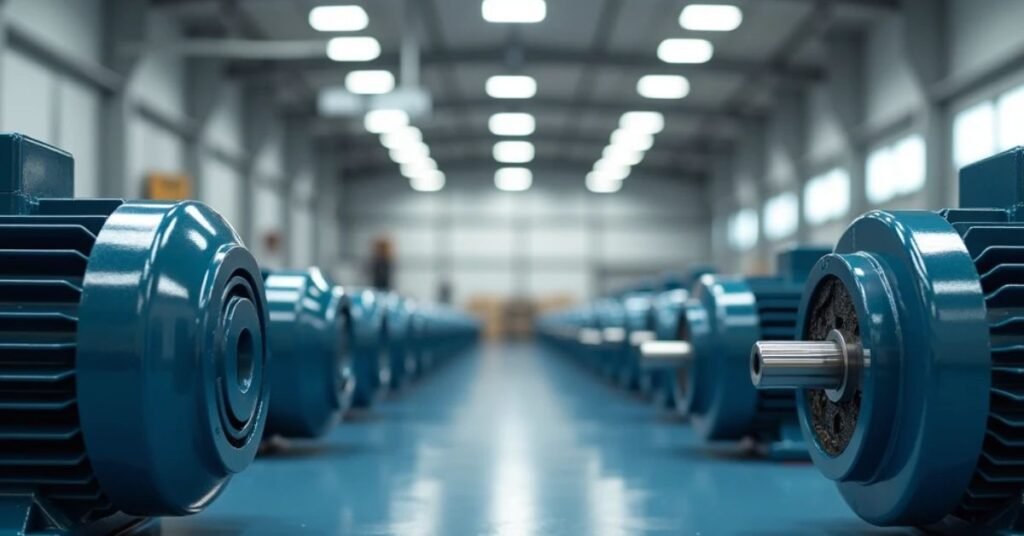
Safety Gear and Equipment: What You Need
When installing electric motors, adhering to safety protocols is paramount to prevent accidents and ensure the well-being of personnel involved in the process. The first line of defense is personal protective equipment (PPE). Essential items include gloves, goggles, helmets, and hearing protection. Each piece of equipment plays a crucial role in safeguarding the installer from electrical hazards, sharp edges, and noise pollution that may arise during installation.
Gloves made of rubber or other insulating materials are vital for electrical work as they protect against accidental contact with live wires. Safety goggles are equally important, as they shield the eyes from debris, sparks, or any flying tools. Head protection is often necessary when working in environments where there is potential for falling items, while hearing protection is crucial when operating machinery that produces high noise levels.
In addition to personal protective equipment, using the right tools is essential to ensure a safe installation. Insulated tools, such as screwdrivers and pliers, prevent accidental electrical shock and minimize the risk of shorts. Torque wrenches are necessary for achieving precise fastening, which helps maintain the integrity of the motor and reduces the chance of mechanical failures. Furthermore, the use of multimeters allows for the safe measurement of voltage, current, and resistance, ensuring that the motor is operating within specified parameters before it is fully installed.
Having the appropriate safety gear and equipment not only enhances the safety of the installation process but also ensures compliance with established installation standards. By equipping oneself properly, technicians can significantly mitigate risks associated with electric motor installations and contribute to a safer working environment. The implementation of safety measures lays the groundwork for a successful installation, ultimately prolonging the lifespan of the motor and enhancing its performance.
Proper Electrical Connections and Wiring Techniques
When installing electric motors, ensuring proper electrical connections and employing correct wiring techniques is paramount for both safety and functionality. The foundation of a successful installation lies in the meticulous handling of connectors and the adherence to established cable management practices. It is essential to use connectors that are appropriate for the voltage and current requirements of the motor. Employing high-quality connectors not only facilitates reliable connections but also enhances the longevity of the installation.
Correct wiring practices involve not just the selection of connectors but also the thoroughness of the wiring itself. The gauge of the wire must be compatible with the motor’s specifications, as using an improper gauge can lead to overheating and potential failure. Furthermore, securing the connections is crucial to prevent arcing, which can arise from loose or poorly fastened connections. Each connection point should be firmly tightened to the manufacturer’s specifications, avoiding the common blunder of over-tightening, which can damage the connection and worsen performance.
Additionally, checking for the integrity of the insulation on wires is a vital step in the process. Worn or damaged insulation can expose wires, creating safety hazards such as electric shocks or short circuits. It is advisable to routinely inspect the wiring before connecting it to the motor. Another significant aspect is to ensure the correct polarity during the connections. Reversing polarity can lead to malfunction or damage to the motor. Maintaining a systematic approach throughout the installation not only guarantees optimal performance but also mitigates risks associated with electrical faults.
Common pitfalls, such as the use of frayed wires or inappropriate connectors, can compromise the reliability of the electric motor installation. By avoiding these mistakes and paying close attention to details, one can ensure a safe and effective setup that supports the operational demands of electric motors.
Testing and Maintenance Post-Installation
Following the installation of electric motors, conducting thorough testing is paramount to ensure that they operate efficiently and safely. Initial diagnostic checks should include verifying that the motor runs smoothly without any unusual vibrations or noises, which can indicate underlying issues that may not be immediately apparent. After powering on the motor, it is crucial to confirm the correct direction of rotation; improper rotation can lead to system inefficiencies and potentially damage connected components.
Another essential aspect of post-installation testing involves monitoring the temperature of the motor during its operation. Overheating is a significant concern, as it can shorten the lifespan of the motor and lead to catastrophic failures. Therefore, using temperature sensors or infrared thermometers can provide valuable insights into the operational status of the electric motor.
Equally important is the establishment of a regular maintenance schedule, which is vital for optimizing motor performance and longevity. Routine checks should encompass several key elements. For instance, inspecting wiring connections for signs of wear, ensuring that lubrication is adequate, and checking for any accumulated dust or debris around the motor can all contribute to its efficient operation. In this regard, creating a checklist can be beneficial, enabling operators to systematically monitor all crucial components during maintenance visits.
Furthermore, it is advisable to remain aware of any changes in motor performance, such as fluctuating speed or increased energy consumption, as these may indicate the need for more comprehensive diagnostics. In situations where the motor exhibits persistent issues despite regular maintenance, it is prudent to seek professional assistance. Electric motors play a critical role in various industrial applications, and timely intervention can prevent costly downtimes. By adhering to these testing and maintenance practices, operators can ensure their electric motors function optimally over their intended lifespan.

Conclusion
Installing electric motors demands precision, attention to detail, and a thorough understanding of both mechanical and electrical principles. Each stage of the process — from selecting the proper equipment to ensuring accurate wiring — plays a critical role in achieving safe and efficient operation. Adhering to manufacturer guidelines and industry standards not only safeguards against costly errors but also promotes compliance with safety regulations designed to protect both personnel and equipment.
Safety must always remain the top priority during installation. The consistent use of appropriate personal protective equipment (PPE), along with properly insulated tools and measurement devices, significantly reduces the risk of accidents. Technicians who approach installations with a safety-first mindset contribute to a culture of responsibility and professionalism, minimizing downtime and ensuring that systems perform reliably from the very first start-up.
Finally, successful electric motor installation doesn’t end when the motor is powered on—it continues through testing and ongoing maintenance. Regular inspections, temperature monitoring, and performance checks are essential for identifying early warning signs of wear or electrical issues. By combining proper installation techniques with a proactive maintenance strategy, organizations can extend the service life of their motors, enhance operational efficiency, and maximize long-term return on investment.
Are you enjoying reading about Essential Precautions When Installing Electric Motors? Perhaps you would also like to read about:: How to Identify Signs of Wear in Electric Motors.
FAQ – Essential Precautions When Installing Electric Motors
1. What are the essential precautions to consider when installing electric motors?
When installing electric motors, it’s crucial to follow all manufacturer guidelines, disconnect power sources, and verify that wiring meets local electrical codes. Proper alignment, secure mounting, and safe handling of electrical components help ensure both efficiency and safety during installation.
2. Why is following manufacturer instructions important during installation?
Each electric motor is designed with specific electrical and mechanical requirements. Following the manufacturer’s installation manual ensures correct wiring, proper torque settings, and compliance with operational standards—preventing overheating, electrical faults, or early motor failure.
3. What safety equipment should be used when installing electric motors?
Technicians should always wear personal protective equipment (PPE), including insulated gloves, safety goggles, helmets, and hearing protection. These items protect against electrical shocks, debris, and excessive noise, reducing the risk of injury during installation.
4. How can improper electrical connections affect motor performance?
Incorrect or loose wiring can lead to voltage drops, arcing, short circuits, or overheating. Using the correct wire gauge, high-quality connectors, and ensuring tight, clean connections is vital for reliable motor performance and to prevent electrical hazards.
5. Why is motor alignment critical when installing electric motors?
Proper alignment minimizes vibration, reduces mechanical stress, and extends bearing life. Misalignment can cause noise, wear, and energy loss, eventually leading to premature equipment failure. Checking alignment before full operation is a key installation step.
6. What testing procedures should be performed after installing electric motors?
After installation, technicians should verify correct rotation direction, monitor temperature levels, and listen for unusual noises or vibrations. Performing electrical tests with a multimeter helps ensure that voltage and current levels are within operational limits.
7. How does grounding enhance safety when installing electric motors?
Grounding protects both equipment and personnel by safely redirecting electrical faults. It prevents dangerous voltage buildup and reduces the risk of electric shock, ensuring stable and safe operation once the motor is powered on.
8. What are common mistakes to avoid when installing electric motors?
Common errors include using damaged insulation, incorrect wire sizes, or failing to secure connections. Skipping alignment checks or neglecting safety equipment can also compromise installation quality and increase the risk of malfunction or injury.
9. Why is post-installation maintenance important?
Even after proper installation, electric motors require regular inspections and maintenance. Checking for loose connections, adequate lubrication, and dust buildup ensures optimal performance and extends the motor’s lifespan.
10. Should installing electric motors be handled by certified professionals?
Yes. While basic installations may seem simple, industrial and high-power systems require certified electricians or engineers. Professional installation guarantees compliance with safety standards and prevents costly mistakes or operational risks.