The Importance of Balancing Electric Motors to Prevent Failures
Electric motor imbalance refers to the uneven distribution of mass around the rotor of the motor, which can lead to increased vibrations during operation. This imbalance can significantly impact the motor’s efficiency, lifespan, and overall performance. Factors contributing to electric motor imbalance include manufacturing defects, wear and tear, and external influences such as operating conditions and environmental factors. Identifying the types of imbalance is crucial for maintaining optimal motor function.
There are several types of motor imbalances, with two primary categories being static and dynamic imbalance. Static imbalance occurs when the center of mass does not coincide with the axis of rotation, leading to vibrations that are perpendicular to the rotor’s axis. This type of imbalance can originate from factors such as improper assembly or uneven wear over time. Dynamic imbalance, on the other hand, arises from a distribution of mass that produces a force during rotation, resulting in vibrations in the direction of rotation. This is often a consequence of discrepancies in mass along the rotor or due to wear in specific components.
External factors can also influence motor imbalance. For instance, operating conditions such as temperature fluctuations and exposure to contaminants can lead to wear on components, thus increasing the risk of imbalance. Furthermore, improper mounting and misalignment during installation can exacerbate these issues. Over time, the wear and tear on bearings and other moving parts contribute to the likelihood of encountering an imbalanced electric motor.
In essence, understanding the fundamental mechanics behind electric motor imbalance is vital for recognizing the need for proper balancing techniques. By addressing and rectifying these imbalances, operators can enhance the reliability and efficiency of electric motors, ultimately extending their operational life and reducing maintenance costs.
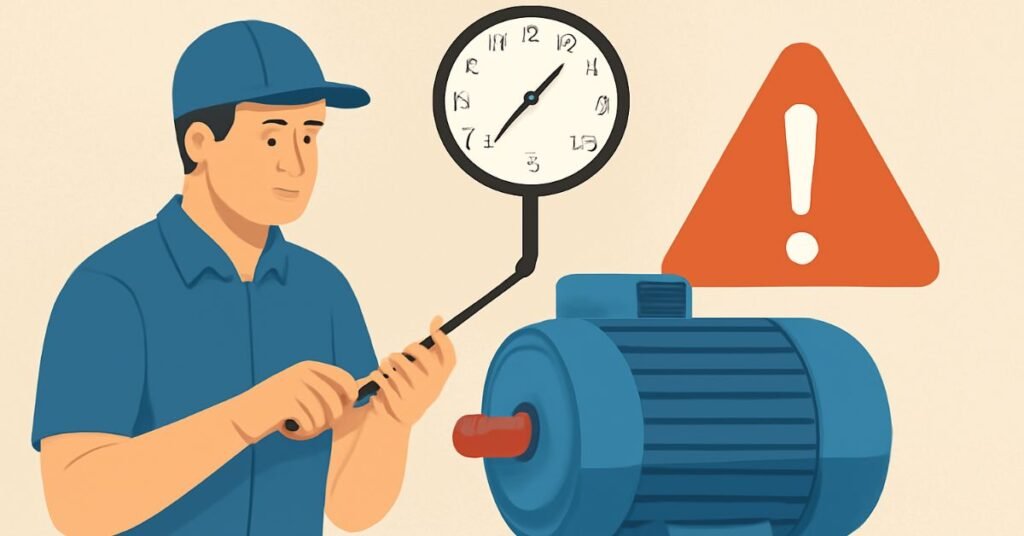
Consequences of an Unbalanced Motor
Operating an unbalanced electric motor can result in significant consequences that adversely affect both the motor’s performance and the overall efficiency of the machinery in which it is integrated. One of the primary issues is increased vibrations. When the motor is unbalanced, it generates excessive vibrations that can propagate through the equipment, leading to misalignment of components, structural damage, and potential safety hazards. This can not only disrupt operations but also necessitate costly repairs.
Moreover, excessive wear on components is another critical consequence of an unbalanced motor. The vibrations from the motor can exert uneven forces on bearings, shafts, and other essential parts, leading to premature degradation. Over time, this can culminate in significant failures that demand costly maintenance interventions and extended downtime. In industries where uptime is crucial for productivity, these disruptions can have far-reaching impacts, including lost revenue and strained relationships with clients due to delays in service delivery.
Additionally, overheating is a frequent issue associated with unbalanced motors. An imbalanced rotor forces the motor to work harder to maintain the necessary output, which can cause the temperature to rise beyond safe operational limits. This overheating not only accelerates wear but also raises the risk of complete motor failure, resulting in additional replacement costs and labor associated with installation and system integration. Industries such as manufacturing and HVAC have witnessed cases where unbalanced motors led to major disruptions, highlighting the necessity of regular maintenance and balancing procedures.
In summary, the consequences of an unbalanced electric motor extend well beyond mere inconvenience. From increased vibrations and overheating to excessive wear and premature failures, the overall impact can severely disrupt operations and inflate maintenance costs, ultimately jeopardizing productivity and financial stability in various sectors.
Methods for Balancing Electric Motors
Balancing electric motors is crucial for ensuring optimal performance and longevity. There are two primary methods for balancing: static and dynamic balancing. Each method serves different applications and offers unique advantages and disadvantages. Understanding these techniques can guide users in selecting the appropriate approach based on their specific needs.
Static balancing involves checking the rotor while it is stationary. This method identifies any mass distribution irregularities that could lead to vibrations during operation. The simple set-up typically requires a balance stand and dial indicators. One of the primary advantages of static balancing is its straightforward execution, making it ideal for smaller motors or where limited space is available. However, its main limitation is that it does not account for the dynamic forces present during motor operation.
Dynamic balancing, on the other hand, assesses the rotor while it is in motion. This method usually employs sophisticated equipment such as vibration analysis tools and balancing machines that can detect imbalances as the rotor spins. Dynamic balancing is more comprehensive, allowing for the identification of issues that may not be apparent during static tests. Though it requires specialized equipment and more time for setup, dynamic balancing is preferable for larger motors or those subjected to higher speeds where imbalances can lead to significant performance issues.
Regular monitoring and maintenance are essential for maintaining motor balance. Continuous vibration analysis can help detect imbalances before they escalate into serious problems, allowing for timely corrective actions. Implementing a routine check can also extend the service life of the motor and improve overall efficiency. Adopting the appropriate balancing method based on the motor type and application is crucial for preventing failures and ensuring smooth operation.
Best Practices for Maintaining Motor Balance
Maintaining the balance of electric motors is a critical factor in ensuring their efficient operation and longevity. One of the foremost best practices is to conduct routine inspections. Regular checks can help identify any early signs of imbalance, such as unusual vibrations or abnormal noise levels. By establishing a systematic inspection schedule, organizations can detect potential issues before they escalate into significant operational failures.
Proactive maintenance strategies are equally essential in maintaining motor balance. This involves not only regular inspections but also performing necessary adjustments and repairs promptly. For instance, if signs of wear or misalignment are detected during an inspection, they should be addressed immediately. Scheduled maintenance should also include components such as bearings and couplings, which play a vital role in ensuring balanced operation. Keeping these components in good condition significantly contributes to overall motor performance.
Furthermore, educating personnel about the signs of imbalance can prove invaluable. Training sessions can empower staff to recognize symptoms such as vibration irregularities or changes in motor temperature, prompting timely interventions. It is essential for operators to understand that even minor discrepancies in balance can lead to severe implications over time, including increased wear or catastrophic failures.
Proper installation and alignment processes are critical in preventing imbalances from occurring. During installation, it is crucial to ensure that the shaft and motor are properly aligned. Any misalignment can lead to uneven wear and excess vibrations, which may invite further imbalances. It is advisable to use precision tools for alignment and to review installation standards regularly to ensure compliance with best practices.
By implementing these best practices, organizations can enhance the performance of their electric motors, reduce the likelihood of failures, and optimize their operational efficiency significantly.
Conclusion
Balancing electric motors is a critical practice that directly impacts performance, reliability, and long-term operational costs. As the text demonstrates, even minor imbalances—whether static, dynamic, or caused by external factors—can result in significant issues such as excessive vibration, overheating, and accelerated wear. These problems not only compromise efficiency but also threaten the overall stability and safety of the systems that depend on the motor. Understanding the mechanics behind imbalance is the first step in preventing these failures and ensuring that motors operate as intended.
The consequences of neglecting motor balance are far-reaching, affecting both productivity and financial stability. Unbalanced motors can cause structural damage, unexpected downtime, premature component failure, and costly repairs—all of which disrupt operations across industries. This reinforces the need for consistent monitoring, timely maintenance, and the use of proper balancing methods. Whether through static or dynamic balancing techniques, addressing imbalance early protects equipment and prevents small issues from developing into major failures.
Ultimately, maintaining proper motor balance is not just a maintenance task but a strategic investment in efficiency and longevity. By implementing proactive inspection routines, following best installation practices, and educating personnel on early warning signs, organizations can significantly enhance equipment performance. When motor balance becomes a priority, businesses benefit from reduced downtime, extended asset lifespan, and improved operational reliability—ensuring smoother processes and long-term cost savings.
FAQ – Balancing Electric Motors to Prevent Failures
1. What causes an electric motor to become unbalanced?
Electric motors become unbalanced when the mass around the rotor is unevenly distributed. This can result from manufacturing defects, improper assembly, wear and tear, contamination, misalignment during installation, or deterioration of components such as bearings.
2. Why is motor balance important?
Proper motor balance reduces vibration, minimizes wear on components, prevents overheating, and improves overall performance. Balanced motors run more efficiently, last longer, and require fewer repairs, lowering operational costs.
3. What is the difference between static and dynamic imbalance?
Static imbalance occurs when the motor’s center of mass does not align with its rotational axis, causing perpendicular vibrations. Dynamic imbalance involves uneven mass distribution that generates force in the direction of rotation, typically showing up only when the rotor is spinning.
4. What are the signs that a motor might be unbalanced?
Common signs include unusual vibration, excessive noise, overheating, premature bearing wear, and reduced performance. If these symptoms appear, the motor should be inspected promptly.
5. What happens if an unbalanced motor continues to operate?
Operating an unbalanced motor can lead to structural damage, misalignment of connected machinery, accelerated component wear, overheating, unexpected shutdowns, and costly failures. Long-term operation may require full motor replacement.
6. How is an electric motor balanced?
Depending on the type of imbalance, technicians use static balancing (checking the rotor at rest) or dynamic balancing (balancing while the rotor spins). Dynamic balancing is more precise and is generally used for larger or higher-speed motors.
7. How often should motor balancing be performed?
Balancing frequency depends on the motor’s application, operating environment, and vibration levels. Motors in harsh or high-demand environments should be checked more often. Many facilities include vibration analysis in routine predictive maintenance programs.
8. Can vibration analysis help detect imbalance early?
Yes. Vibration analysis is one of the most effective tools for early detection of imbalance. It identifies abnormal frequency patterns that indicate mass distribution issues, allowing corrective action before failures occur.
9. Are installation practices important for motor balance?
Absolutely. Improper mounting, misalignment, and inadequate support can cause or worsen imbalance. Precision alignment tools and proper installation procedures help prevent future issues.
10. What are the best practices to prevent motor imbalance?
Key practices include routine inspections, proactive maintenance, correct installation and alignment, vibration monitoring, and training personnel to recognize early symptoms. Following these practices significantly reduces the likelihood of motor failures.
See Also: Electric Cars Explained: ⚡️ How Electric Cars Work?