When is it Time to Replace Instead of Repairing an Electric Motor?
The lifespan of electric motors can vary significantly based on several factors, including usage patterns, maintenance practices, and environmental conditions. Generally, electric motors are designed to last a long time; many can achieve operational lives of 15 to 20 years or even longer if properly maintained. However, recognizing the indicators of wear and performance degradation is crucial for determining whether to replace or repair an electric motor.
Usage patterns play a critical role in motor durability. Motors that are subjected to heavy loads, frequent start-stop cycles, or extreme operating conditions may experience accelerated wear. In contrast, those used in steady-state operations often demonstrate greater longevity. Understanding the specific application of the motor can provide insight into how its lifespan may be affected.
Maintenance practices are another vital factor in the longevity of electric motors. Regularly scheduled maintenance, including lubrication, cleaning, and inspection, can significantly extend the life of a motor. Proper alignment and tension of belts and chains, as well as timely replacement of worn parts, can prevent larger issues from developing. Neglecting these practices, however, can lead to premature failure and increased operational costs.
Environmental conditions also greatly influence the lifespan of electric motors. Factors such as temperature, humidity, and exposure to dust or corrosive elements can all contribute to the degradation of motor components. Motors located in harsh conditions may require more frequent inspections and possibly even replacement sooner than their counterparts in more favorable environments.
In assessing whether an electric motor is nearing the end of its useful life, it is important to consider these contributing factors. This understanding can aid in making informed decisions about repair versus replacement, ultimately optimizing performance and reducing costs.
Signs That Your Electric Motor Needs Replacement
Identifying when to replace an electric motor rather than opting for repairs is essential for maintaining operational efficiency and ensuring safety. Several key symptoms can indicate that a motor may be beyond repair.
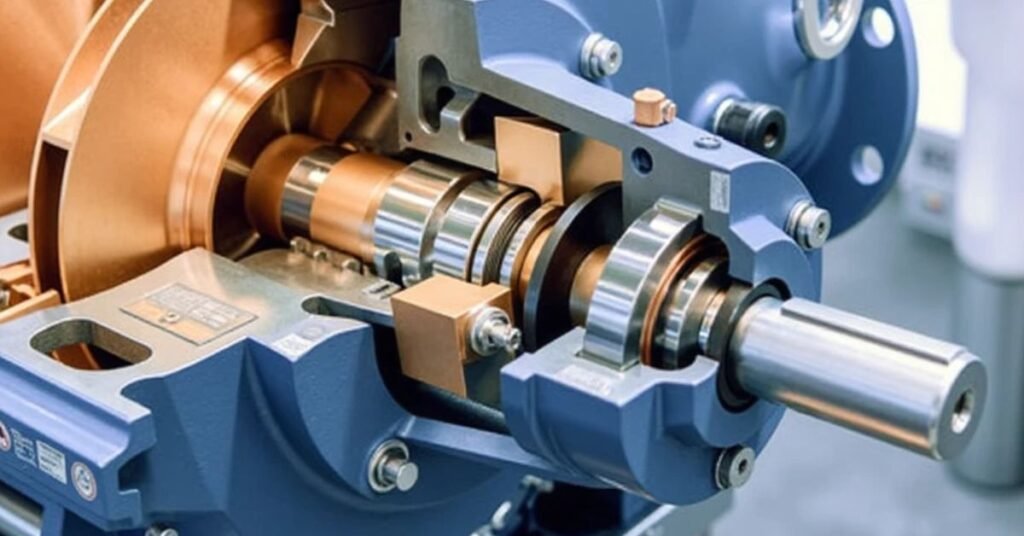
One of the most noticeable signs is excessive noise during operation. Electric motors typically operate quietly; therefore, any unusual sounds such as grinding, rattling, or humming can indicate internal damage or component wear. These noises often suggest that the motor has sustained harm that could lead to more significant issues if not addressed promptly.
Another critical indicator is overheating. If the motor becomes excessively hot to the touch during normal functioning, it may point to severe issues such as poor insulation or worn bearings. While minor overheating can sometimes be remedied with adjustments, persistent issues typically indicate that the motor’s efficiency has been compromised, warranting replacement.
A decrease in performance is also a significant concern. If you notice that the motor operates below its rated capacity or struggles to maintain speed, this can signify wear and tear that compromises its operation. Performance degradation may stem from several causes, including electrical imbalances or mechanical failures, which could ultimately render repairs ineffective.
Visible damage to the motor’s exterior should not be overlooked. Cracks, dents, or other structural defects can lead to further complications. Such damage can expose internal components to the elements, increasing the risk of failure. If the casing is significantly damaged, replacement is often a more prudent choice.
Lastly, take note of the frequency of repairs. If the motor requires frequent service, it may be more cost-effective to replace it instead of continuing a cycle of repair. A pattern of recurring problems can signal that the motor has reached the end of its life cycle.
Cost Analysis: Repairing vs. Replacing
The decision to repair or replace an electric motor often hinges on a thorough cost analysis. Initially, one must consider the immediate costs associated with each option. Repairing an electric motor typically involves expenses related to labor and replacement parts, which can fluctuate significantly depending on the extent of the damage. For minor issues such as bearing replacements or rewinding, the costs may range from a few hundred to a few thousand dollars. However, extensive failures that require substantial parts replacement may elevate these costs considerably.
Conversely, replacing an electric motor entails upfront costs that are often higher. The price of a new motor varies widely based on its specifications, with high-efficiency or specialized models commanding premium prices. Beyond the initial purchase, organizations must account for additional expenses, such as installation and any necessary adaptations to existing systems. Furthermore, replacing a motor may incite downtime, affecting productivity and operational continuity, which can significantly increase costs. It’s important to evaluate not only the direct financial implications but also the potential impact on productivity and revenue generation.
In a long-term view, however, replacing an electric motor may yield greater savings. Newer models often incorporate advancements in technology that can lead to increased energy efficiency and reduced operational costs. While a repair might offer a temporary solution, the risk of future failures must also be considered. Underperformance due to outdated technology can result in higher electrical bills and more frequent repairs. By comparing the costs over the life cycle of the equipment, one can make a more informed decision regarding whether to repair or replace the motor, ensuring that financial resources are allocated effectively.
Making the Decision: Replacement Checklist
Deciding whether to replace or repair an electric motor is a critical evaluation that can significantly impact operational efficiency and costs. A well-structured checklist can help make this determination easier and more systematic. First and foremost, assess the age of the electric motor. Motors typically have a lifespan ranging from 10 to 20 years, depending on maintenance and operating conditions. If your motor is nearing or has surpassed this age threshold, replacement may be a more prudent option.
Next, consider the frequency of repairs. If the motor has been serviced multiple times within a short period, this could indicate that it is reaching the end of its usable life. An electric motor that frequently malfunctions can lead to increased downtime and lost productivity, making replacement more cost-effective in the long run.
The cost of repairs versus the cost of a new motor is another crucial aspect to analyze. If repair costs are becoming substantial—approaching 50% or more of the price of a new motor—investment in a replacement may yield better returns. This financial analysis should also include consideration of potential operational inefficiencies caused by an aging motor, which may negatively influence overall system performance.
Lastly, evaluate the impact of the replacement on the entire system’s performance. A new motor could improve energy efficiency, reduce operational noise, and enhance productivity. It’s essential to factor in not just the current condition of the motor but also the overall improvements that may be realized through modernization.
By systematically addressing these considerations, decision-makers can arrive at a well-informed conclusion regarding the replacement or repair of an electric motor, ensuring optimal performance and cost-effectiveness.
Conclusion
Determining whether to repair or replace an electric motor requires a careful assessment of several key factors, including age, maintenance history, performance symptoms, and overall operating environment. While many electric motors can last 15 to 20 years with proper care, signs such as excessive noise, overheating, recurring repairs, and visible structural damage often indicate that the motor may be nearing the end of its useful life. Recognizing these indicators early helps prevent costly downtime and ensures safer operation.
Cost evaluation also plays a significant role in the decision-making process. Although repairs may seem more economical upfront, they can become increasingly inefficient when the motor requires frequent servicing or when repair costs approach a significant percentage of the price of a new unit. In contrast, replacement often brings long-term benefits, including improved energy efficiency, reduced maintenance needs, and enhanced performance thanks to advances in modern motor technology. A comprehensive cost analysis ensures that financial resources are invested wisely rather than continually poured into an aging, unreliable system.
Ultimately, choosing between repairing and replacing an electric motor involves balancing immediate costs with long-term operational benefits. By following a structured checklist—considering lifespan, repair frequency, performance degradation, and overall system impact—businesses can make informed choices that enhance productivity and reliability. Taking a strategic approach ensures that equipment remains efficient, safe, and capable of supporting ongoing operational demands.
See Also: Complete Checklist for Industrial Motor Maintenance.
FAQ – When to Replace an Electric Motor Instead of Repairing It
1. What are the most common signs that an electric motor needs to be replaced?
Common signs include excessive noise, persistent overheating, visible external damage, declining performance, and frequent repair needs. These issues typically indicate internal wear or damage that repairs may no longer fix effectively.
2. How long does an electric motor usually last before needing replacement?
Most electric motors last between 15 and 20 years, depending on usage patterns, maintenance routines, and environmental conditions. Motors exposed to harsh environments or heavy loads may wear out sooner.
3. When is replacing a motor more cost-effective than repairing it?
Replacement becomes more cost-effective when repair costs approach 50% or more of the price of a new motor, when repairs become frequent, or when aging technology leads to reduced efficiency and higher operating costs.
4. Does overheating always mean the motor should be replaced?
Not always. Mild overheating can sometimes be corrected with adjustments or minor repairs. However, persistent or severe overheating often indicates deeper issues—such as insulation failure or worn bearings—that typically justify replacement.
5. Can visible damage to the motor housing be repaired?
Minor cosmetic damage may not be serious, but cracks, dents, or structural deformities can expose internal components and compromise the motor’s safety. In such cases, replacement is usually the safer and more reliable option.
6. How does the operating environment affect the motor’s lifespan?
Exposure to dust, humidity, corrosive substances, or extreme temperatures accelerates wear and can significantly shorten the motor’s service life. Motors in harsh environments often require more frequent inspections and earlier replacement.
7. Should a motor be replaced if its performance drops over time?
Yes—consistent drops in speed, torque, or overall output typically indicate internal deterioration. While minor issues may be repairable, long-term or severe performance decline usually signals the need for replacement.
8. How do frequent repairs factor into the replacement decision?
If a motor requires repairs often, it’s a strong indication that components are wearing out beyond effective restoration. At this point, replacing the motor reduces downtime and long-term maintenance costs.
9. Are newer motors more efficient than older ones?
Generally, yes. Modern motors often feature improved energy efficiency, better thermal management, and advanced materials, which lower operational costs and enhance performance over time.
10. What steps should be included in a replacement decision checklist?
Your evaluation should consider the motor’s age, frequency of repairs, cost comparison between repair and replacement, performance level, visible damage, and the potential benefits of upgrading to a newer model.