Essential Tips to Extend the Lifespan of Your Electric Motor
The lifespan of an electric motor is influenced by a variety of interconnected factors that can significantly affect its performance and longevity. One of the foremost considerations is the environmental conditions in which the motor operates. For instance, temperature extremes can lead to the overheating of components, which may result in accelerated wear and premature failure. High humidity environments can contribute to corrosion, while the presence of dust and particulate matter can impair cooling and lubrication systems, eventually leading to operational inefficiencies.
Operational demands represent another critical factor impacting the durability of electric motors. Motors that are regularly subjected to high loads or operate continuously at their maximum rated capacity are likely to experience an increased rate of wear. Overloading can not only degrade performance but also risk critical components like bearings and windings, diminishing the motor’s overall lifespan. Therefore, it is essential to select motors that are appropriately rated for the specific applications, ensuring that there is a buffer to accommodate operational stresses.
The quality of components utilized in the manufacturing of electric motors also plays a vital role in determining their longevity. Using high-quality materials and adhering to stringent manufacturing practices can minimize the potential for defects and failures. Motors equipped with advanced design features, such as improved insulation and cooling systems, tend to perform better under varying conditions and, as a result, often last longer.
Additionally, frequent starting and stopping of the motor can induce mechanical stress and contribute to wear. Maintaining a stable operating cycle can mitigate some of these issues, highlighting the importance of strategic operational planning. Recognizing and addressing these factors can significantly enhance the performance and lifespan of electric motors in a wide range of applications.
Routine Maintenance Practices
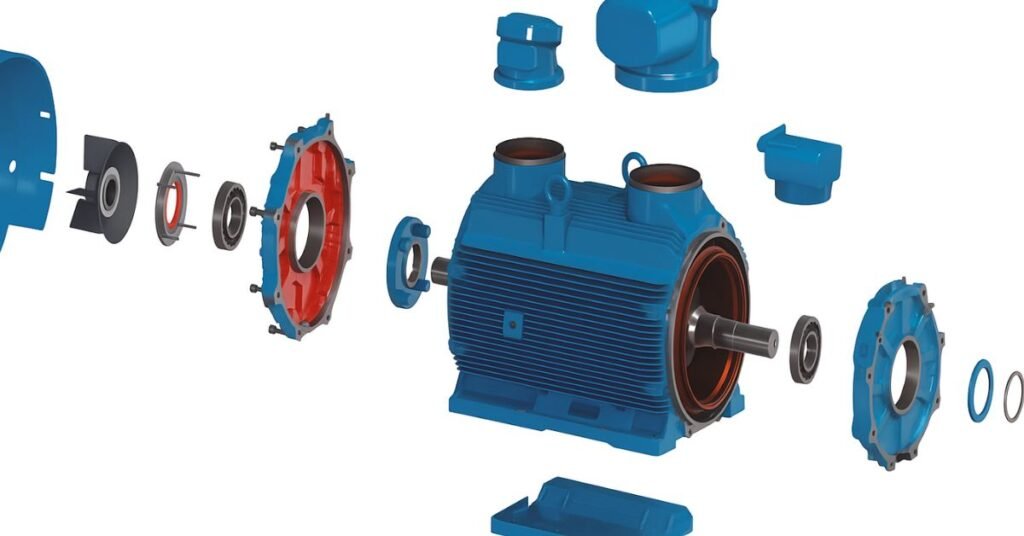
Implementing routine maintenance practices is vital to extending the lifespan of electric motors. These practices not only enhance performance but also prevent unanticipated failures, ultimately saving costs associated with repairs or replacements. Regular inspections should form the cornerstone of a maintenance routine. This entails checking for signs of wear and tear, overheating, and abnormal noises, all of which could indicate underlying issues.
In addition to inspections, establishing a lubrication schedule is important. Electric motors typically require scheduled lubrication to minimize friction and reduce wear on components. The type of lubricant and frequency of application should align with the manufacturer’s recommendations, taking into consideration the operating environment. Additionally, identifying the right lubricant is critical, as it impacts efficiency and component longevity.
Another key practice is adhering to cleaning protocols. Dust, dirt, and debris can accumulate and impede motor function, leading to overheating and operational inefficiencies. Regular cleaning helps to maintain airflow and cooling, promoting optimal performance. It is essential to use appropriate cleaning tools and methods to avoid damaging sensitive components.
Moreover, checking the alignment and balance of electric motors is equally crucial. Misalignment can cause excessive vibration, leading to premature degradation of bearings and other parts. Using precision tools to ensure proper alignment can significantly reduce wear and enhance overall efficiency.
Maintaining detailed records of all maintenance activities fosters a proactive approach. Documenting inspections, lubrication actions, cleaning tasks, and any issues encountered allows for pattern identification over time, highlighting potential problems before they escalate. By meticulously tracking these activities, operators can make informed decisions and tailor their maintenance strategies effectively.
Choosing the Right Motor for Your Application
Selecting the appropriate electric motor for a specific application is critical in ensuring optimal performance and longevity. The first step in this process is to assess the load requirements of your system. Each application has unique load demands; understanding these requirements is fundamental. If a motor is undersized for the load, it can lead to overheating and premature failure. Conversely, an oversized motor may operate inefficiently, wasting energy and impacting overall performance.
Additionally, it is crucial to comprehend the duty cycle of the motor. The duty cycle refers to the operational time versus idle time, which impacts how a motor functions under varying conditions. For instance, a motor designed for intermittent duty may not perform optimally in a continuous duty application. Understanding your motor’s duty cycle can inform the selection of a model that aligns with your operational patterns, ensuring it can handle specific workloads effectively.
Energy efficiency is another vital factor to consider when selecting an electric motor. Opting for a high-efficiency motor can reduce energy costs and decrease the environmental impact of your operations. Always check the efficiency ratings provided by the manufacturer, as a more efficient motor can provide a quicker return on investment through lower operational costs.
Compatibility with existing equipment cannot be overlooked, either. Ensuring that the selected motor integrates seamlessly with current setups can avoid unnecessary disruptions and additional costs. This may require consultation with a motor specialist who can provide insights based on your specific circumstances. Such consultations can guide you towards the most suitable options, helping to mitigate potential risks associated with incorrect motor selection.
Common Issues and Troubleshooting Tips
Electric motors are integral components across various industries, providing reliable power and performance. However, like all machinery, they can encounter issues that may affect their efficiency and longevity. Recognizing the symptoms of motor distress is crucial for maintaining optimal operation and mitigating potential damage. Common problems include unusual noises, overheating, and excessive vibration. Each of these symptoms can indicate underlying issues that warrant attention.
Unusual noises, such as grinding, squeaking, or humming, often signal a mechanical fault. Noise may result from worn bearings, misalignment, or foreign objects impacting the motor’s operation. To resolve this issue, inspect the motor for visible signs of wear or damage. Regular lubrication of moving parts can also help reduce friction and noise levels, thereby extending the motor’s lifespan.
Overheating is another significant concern for electric motors, which can lead to severe performance degradation. Elevated temperatures may arise from factors like overloading, inadequate ventilation, or electrical failures. To address overheating, check for obstructions in air passages and ensure the motor is not operating beyond its rated capacity. In instances where overheating persists, it may be necessary to consult with a professional technician to evaluate the electrical components and insulation integrity.
Excessive vibration can be indicative of imbalance, misalignment, or failing components. This can not only lead to operational inefficiencies but can also cause further damage over time. To troubleshoot, inspect the mounting and alignment of the motor along with the condition of attached components. In many cases, recalibrating or replacing worn parts can solve the issue. By promptly addressing these common issues and implementing appropriate troubleshooting techniques, users can significantly extend the lifespan of their electric motors.
Conclusion
Extending the lifespan of electric motors requires a balanced combination of proper installation, consistent maintenance, and thoughtful operational management. By understanding the environmental, mechanical, and electrical factors that affect performance, operators can make informed decisions that help prevent premature wear and unexpected breakdowns. Every detail—from temperature control to appropriate load management—plays a vital role in ensuring long-term reliability.
Routine maintenance remains one of the most effective ways to preserve electric motor performance over time. Regular inspections, lubrication, and cleaning not only improve efficiency but also help detect potential issues before they escalate into costly failures. Keeping accurate maintenance records further enhances this process, allowing teams to track patterns, optimize schedules, and sustain a proactive maintenance culture across operations.
Ultimately, extending the service life of electric motors comes down to awareness and precision. Selecting the right motor for each application, following manufacturer recommendations, and addressing early warning signs promptly can dramatically reduce downtime and operating costs. By applying these essential tips, businesses can ensure that their electric motors continue to deliver reliable, efficient performance for years to come.
Are you enjoying reading about Essential Tips to Extend the Lifespan of Your Electric Motor? You might also like to read: Preventive vs Corrective Maintenance of Electric Motors.
Frequently Asked Questions (FAQ) – Installing Electric Motors
1. What are the main factors that affect an electric motor’s lifespan?
Several factors can influence a motor’s longevity, including environmental conditions, load capacity, operating temperature, and maintenance frequency. Proper installation and regular inspections are crucial for extending the motor’s service life.
2. How often should electric motors be inspected?
It’s recommended to perform basic inspections monthly and schedule a detailed maintenance check every six months. The frequency may vary depending on how intensively the motor is used and the environment it operates in.
3. Why is proper lubrication important for electric motors?
Lubrication reduces friction between moving parts, preventing premature wear and overheating. Using the correct lubricant type and following a consistent schedule based on manufacturer guidelines ensures optimal performance.
4. How can environmental conditions damage electric motors?
Extreme heat, humidity, and dust can cause corrosion, reduce insulation efficiency, and restrict cooling airflow. Motors should be installed in clean, well-ventilated environments whenever possible.
5. What should I consider when installing electric motors?
When installing electric motors, ensure proper alignment, secure mounting, and adequate ventilation. Following manufacturer specifications during installation can prevent imbalance, overheating, and early component failure.
6. What are the signs that my motor needs maintenance?
Warning signs include unusual noises, overheating, excessive vibration, or reduced efficiency. Addressing these issues promptly can prevent serious mechanical or electrical damage.
7. How does overloading impact electric motors?
Overloading forces the motor to operate beyond its rated capacity, which increases heat and mechanical stress. This can cause bearing damage, insulation failure, and significantly shorten the motor’s lifespan.
8. How do I choose the right motor for my application?
Select a motor that matches your system’s load requirements, duty cycle, and energy efficiency goals. Consulting a motor specialist can help ensure compatibility and reliability.
9. What are common causes of motor overheating?
Overheating can result from overloading, poor ventilation, or electrical imbalances. Regular cleaning, proper alignment, and monitoring temperature levels help prevent thermal damage.
10. Can maintenance records really make a difference?
Yes. Keeping detailed maintenance records helps identify wear patterns, predict potential failures, and improve long-term motor performance. It’s a simple but powerful part of proactive maintenance planning.
Read Also: Your Electric Motor Troubleshooting Guide.