Reducing Costs with an Efficient Maintenance Routine
In any business or facility, establishing a well-structured maintenance routine is crucial to ensuring operational efficiency and sustainability. Maintenance plays a significant role not only in preserving the functionality of equipment but also in protecting the financial health of an organization. Neglecting maintenance activities can lead to a series of detrimental consequences, often culminating in expensive repairs or even the need for complete equipment replacements. Such financial implications can strain budgets and impede growth, making it imperative for management to prioritize regular maintenance.
Proactive maintenance serves as a preventive measure that addresses potential issues before they escalate into more significant problems. By implementing a diligent maintenance program, organizations can extend the lifespan of their assets, thereby maximizing return on investment (ROI). The costs associated with unplanned downtime, reactive repairs, or the premature disposal of equipment can be significantly mitigated through timely inspections and scheduled maintenance. This proactive approach fosters a culture of reliability, ensuring that machinery and systems operate efficiently and consistently, which is essential for maintaining productivity.
Moreover, a routine maintenance schedule enhances the overall safety of the work environment. Ensuring that equipment is functioning properly reduces the risk of accidents and injuries, which can lead to costly legal ramifications and tarnish an organization’s reputation. Additionally, a strong maintenance routine promotes operational stability, enabling businesses to meet customer demands without delays. As such, the implementation of an effective maintenance strategy not only contributes to immediate cost savings but also lays the groundwork for long-term fiscal prudence and productivity enhancement.

Establishing a Maintenance Schedule
To reduce costs effectively through maintenance management, establishing a comprehensive maintenance schedule is imperative. This schedule should be tailored to meet the specific needs of your operations and begin with a thorough assessment of your current assets. Properly conducting this assessment will enable you to understand the state of your machinery and equipment, identify any areas that require immediate attention, and devise a strategic plan for upkeep.
Once you have analyzed your assets, the next step involves determining the frequency of maintenance tasks. Regular maintenance not only prolongs the life of equipment but also minimizes downtime caused by unexpected failures. It is crucial to categorize maintenance tasks into routine checks, preventative measures, and corrective actions. Routine maintenance tasks can often be conducted weekly or monthly, while preventative upkeep might be scheduled quarterly or biannually depending on the equipment’s usage and criticality.
Prioritizing your critical equipment is essential when developing a maintenance schedule. Critical assets are those that, if they fail, could lead to significant operational disruptions or safety hazards. Therefore, they should be given priority within your maintenance routine. Establish key performance indicators (KPIs) to evaluate the effectiveness of your maintenance efforts continuously, and adjust the schedule as necessary to accommodate any changes in operational demands or equipment conditions.
Utilizing maintenance management software can significantly enhance your ability to track and manage scheduled tasks. These tools can provide reminders for upcoming maintenance activities and facilitate the documentation of maintenance history, ensuring nothing falls through the cracks. By leveraging technology, your organization can efficiently streamline the maintenance process, reduce costs, and ultimately maintain operational efficiency. A well-defined maintenance schedule, complemented by appropriate tools, is the cornerstone of a successful maintenance routine that will yield long-term benefits.
Implementing Preventative Maintenance Strategies
Preventative maintenance is a critical approach that helps organizations reduce operational costs while improving equipment reliability. By consistently applying this method, businesses can identify potential equipment failures before they escalate into costly repairs. Implementing a structured preventative maintenance strategy involves several key techniques, including regular inspections, employee training, and monitoring equipment performance.
Regular inspections serve as the cornerstone of an effective preventative maintenance routine. These inspections allow maintenance teams to assess the condition of machinery, identify wear and tear, and address minor issues before they develop into major problems. For instance, a production facility that schedules routine equipment checks can avert unexpected downtimes that often result from sudden equipment failures. By maintaining a scheduled inspection calendar, companies can ensure that all equipment operates within safe and optimal parameters.
Employee training also plays a vital role in preventative maintenance. When employees are educated about the significance of care and routine checks, they become empowered to recognize early signs of equipment distress. This proactive awareness can lead to quicker responses and decreased repair costs. Furthermore, training staff to adhere to manufacturer guidelines and best practices enhances the lifespan of machinery, thereby optimizing overall maintenance budgets.
Monitoring equipment performance through modern technology is another effective strategy. Utilizing data analytics and real-time monitoring systems enables organizations to continuously evaluate the efficiency of their equipment. By collecting performance data, businesses can identify trends, predict potential failures, and make informed decisions regarding maintenance schedules. For example, a company employing IoT sensors on critical machinery can receive alerts when performance declines, allowing for timely intervention.
Overall, the integration of these preventative maintenance strategies significantly contributes to minimizing downtime and repair expenses, leading to substantial financial benefits. When organizations prioritize preventative maintenance, they invest in a future of reduced costs and enhanced productivity.
Evaluating and Adjusting Your Maintenance Routine
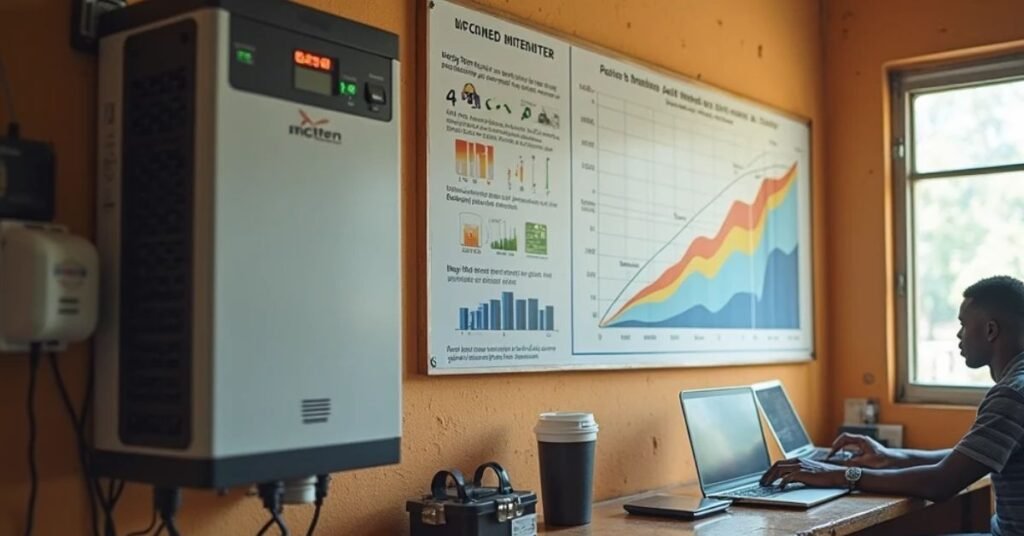
Establishing a maintenance routine is a critical component for ensuring the longevity and efficiency of assets. However, simply implementing a routine is not enough; it requires continuous evaluation and adjustment to remain effective. Organizations must routinely analyze maintenance data to identify trends and assess the performance of equipment over time. By doing so, they can pinpoint issues before they escalate into significant problems, leading to unplanned downtime and increased costs.
Tracking performance metrics is integral in this evaluation process. Key performance indicators (KPIs) such as mean time between failures (MTBF), maintenance cost as a percentage of replacement asset value (RAV), and equipment uptime should be monitored consistently. Regularly analyzing these metrics allows organizations to stay informed about the effectiveness of their maintenance strategies. Furthermore, by comparing data across different time periods, businesses can make informed decisions about whether to modify their routine or maintain the status quo. This data-driven approach is essential for identifying maintenance opportunities that can lead to cost-saving enhancements.
Engaging staff members in the evaluation process is equally important. Gathering feedback from technicians and operators who interact with machines daily provides valuable insights into potential weaknesses in the maintenance routine. These frontline employees can highlight recurring issues or suggest improvements based on their firsthand experiences. Creating an environment where team members feel comfortable sharing their observations encourages a culture of continuous improvement. Additionally, conducting regular training sessions and workshops promotes skill advancement, enabling personnel to adapt to new technologies and methodologies in maintenance.
To conclude, the dynamic nature of business operations necessitates an adaptable maintenance routine. By routinely evaluating performance metrics, analyzing maintenance data, and incorporating staff feedback, organizations can ensure their maintenance strategies evolve alongside their operational needs, leading to ongoing efficiency and sustained cost reduction.
Conclusion
In conclusion, reducing costs through an efficient maintenance routine is a strategic priority for every organization seeking long-term stability and growth. A well-structured maintenance plan not only prevents unexpected equipment failures but also maximizes the return on investment by extending the lifespan of valuable assets. Regular inspections, employee training, and proactive monitoring form the foundation of a system that minimizes waste and enhances overall productivity.
Furthermore, adopting preventative maintenance strategies plays a crucial role in reducing costs associated with emergency repairs and downtime. When businesses focus on identifying potential issues before they escalate, they create a safer and more efficient work environment. Leveraging technology, such as maintenance management software and IoT monitoring, allows for data-driven decisions that improve performance and optimize resources across all operational levels.
Ultimately, reducing costs in maintenance is not merely about spending less—it’s about spending smarter. By continuously evaluating performance metrics, engaging staff feedback, and adapting maintenance strategies over time, companies can ensure operational efficiency while safeguarding profitability. A proactive approach to maintenance transforms what was once a financial burden into a competitive advantage that supports both immediate savings and long-term success.
Are you enjoying reading about cost reducion in maintenance? Read also about: How smart sensors are evolving industrial maintenance.
FAQ – Reducing Costs with an Efficient Maintenance Routine
1. How does regular maintenance help in reducing costs?
Regular maintenance helps in reducing costs by preventing unexpected breakdowns, minimizing downtime, and extending the lifespan of machinery. This proactive approach avoids expensive emergency repairs and replacements.
2. What is the main goal of a maintenance schedule?
The primary goal of a maintenance schedule is to ensure consistent equipment performance while reducing operational costs and preventing failures that could disrupt productivity.
3. How often should preventative maintenance be performed?
The frequency of preventative maintenance depends on equipment type and usage. However, most organizations perform routine checks weekly or monthly, with major inspections scheduled quarterly or annually.
4. What are the financial benefits of proactive maintenance?
Proactive maintenance significantly contributes to reducing costs by identifying small issues before they escalate. This minimizes repair expenses, increases asset longevity, and optimizes budget allocation.
5. How can maintenance management software help reduce costs?
Maintenance management software streamlines scheduling, tracks repair history, and provides automated reminders, ensuring no tasks are overlooked — a crucial step in reducing maintenance costs effectively.
6. Why is employee training important in maintenance?
Trained employees can detect early signs of wear or malfunction, leading to faster interventions and fewer major repairs. Proper training directly supports reducing costs through improved operational awareness.
7. What role does data analysis play in maintenance cost reduction?
Analyzing performance data helps identify inefficiencies, optimize maintenance intervals, and predict potential failures — all key strategies for reducing costs and enhancing equipment reliability.
8. How does preventative maintenance improve workplace safety?
By ensuring equipment functions correctly, preventative maintenance reduces the risk of accidents, protecting employees and preventing legal or compensation costs — further contributing to reducing costs overall.
9. What are common mistakes that increase maintenance costs?
Common mistakes include neglecting maintenance schedules, using incorrect parts or lubricants, and failing to document maintenance history. Avoiding these errors is essential for reducing long-term costs.
10. How can businesses measure the success of their maintenance strategy?
Success can be measured using KPIs like equipment uptime, repair frequency, and maintenance cost ratio. Monitoring these indicators ensures continuous improvement and supports reducing costs effectively over time.
See Also: New Machines Overview Page for Efficient Maintenance Planning and Reducing costs.