Rewinding: Restoring the Original Power of Electric Motors
Electric motors are widely utilized in various industries due to their efficiency in converting electrical energy into mechanical energy. The operation of an electric motor relies on fundamental components, including the stator, rotor, and windings. The stator is the stationary part that generates a magnetic field, while the rotor is the rotating component that turns in response to this magnetic field. The windings, which consist of coils of wire, are located within the motor and play a critical role in creating the necessary electromagnetic force.
The principles of electromagnetism underpin the functioning of electric motors. When an electric current passes through the windings, it generates a magnetic field. This magnetic field interacts with the magnetic field produced by the stator, causing the rotor to rotate. The interaction of these magnetic fields is governed by the right-hand rule, which facilitates the directionality of the motor’s rotation. This conversion of electrical energy into mechanical energy is essential for a myriad of applications, ranging from household appliances to industrial machinery.
Similar to other technological devices, electric motors come in various types, each suited for specific tasks. The most common types include AC (alternating current) motors and DC (direct current) motors. AC motors are typically used in applications requiring constant speed, while DC motors are favored for variable speed applications. Understanding these types is crucial for proper selection and maintenance, ensuring optimal performance in their designated roles.
Over time, electric motors may exhibit signs of wear and efficiency loss, which could manifest as decreased operational speed, abnormal noises, or overheating. Recognizing these symptoms is vital as they indicate potential long-term issues that may necessitate rewinding. By restoring the windings and ensuring the components are in optimal condition, the motor’s original performance can be reinstated, ultimately enhancing its longevity and efficiency.
What is Electric Motor Rewinding?
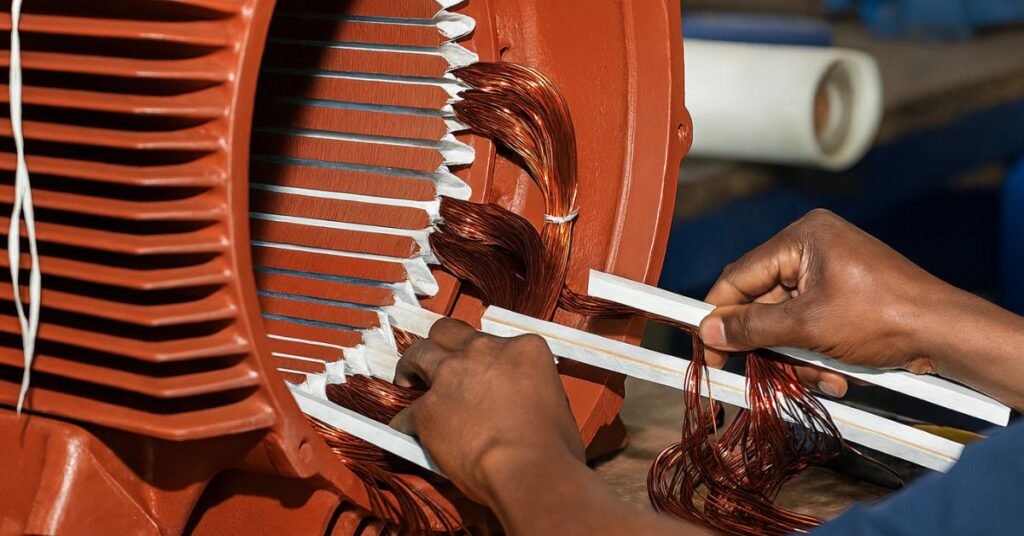
Electric motor rewinding is a specialized process aimed at restoring the performance and efficiency of an electric motor. Over time, motors can encounter various issues due to wear, damage, or insulation breakdown, which can severely impair their functionality. Rewinding is a viable solution that involves several meticulous steps to ensure optimal restoration.
The first step in the rewinding process is disassembly. This involves carefully removing the motor from its operational environment and dismantling it to access the internal components. The qualified technician will inspect the entire motor for any additional damage that may not be immediately visible. It is crucial to assess not only the windings but also other essential components such as bearings and housing.
Once the motor is disassembled and inspected, technicians proceed to remove the old windings. This step is particularly critical, as the quality of the new windings directly impacts the motor’s efficiency. Specialized tools may be utilized to extract the damaged coils without further damaging the stator or rotor. The old insulation is also stripped away, making room for new materials.
After the old windings have been successfully removed, new winding materials are installed. Typically, these materials include copper wire with high electrical conductivity and insulation designed to withstand heat and wear. The technician will wind the new coils with precision, ensuring that the number of turns and connections match the original specifications, thus preserving motor integrity.
Moreover, expertise in electrical principles and mechanical skills is essential for a successful rewinding process. A skilled technician will not only follow best practices throughout the rewinding, but they will also ensure the motor’s longevity through careful assembly and adherence to stringent quality standards. Such attention to detail ultimately contributes to restoring the original power and efficiency of the electric motor.
Benefits of Rewinding Electric Motors
The process of rewinding electric motors offers numerous advantages that can contribute significantly to both operational efficiency and sustainability. One of the primary benefits is the restoration of the motor to its original efficiency and power output. Over time, electric motors can suffer from wear and tear, resulting in reduced performance. By rewinding the motor, the winding coils are replaced or repaired, which can lead to a return to optimal operational levels. This rejuvenation not only enhances the motor’s performance but also increases reliability, ensuring smoother operation in various applications.
In addition to performance restoration, rewinding electric motors can extend their lifespan, leading to a more sustainable approach to industrial operations. A well-maintained motor through rewinding typically lasts longer than a motor that is neglected or replaced prematurely. This longevity leads to reduced frequency of replacements, which, in turn, minimizes waste and contributes to a more sustainable manufacturing process. Furthermore, extending the lifespan of electric motors aligns with environmental goals by reducing the demand for new materials and manufacturing processes associated with producing new motors.
Operational costs can also be significantly lowered through the practice of rewinding. Inefficiencies in older motors may lead to higher energy consumption, which directly impacts electricity bills. By restoring the motor’s performance through rewinding, businesses can achieve energy savings, yielding cost-effective benefits. A case in point can be seen in the textile industry, where a manufacturer rewound a series of motors used in their production line. This intervention not only improved the motors’ efficiency but also resulted in a marked decrease in energy usage, demonstrating how rewinding can provide substantial financial relief.
In summary, rewinding electric motors is a strategic approach that not only improves their efficiency and longevity but also offers environmental benefits by reducing waste. This practice embodies a sustainable mindset, allowing organizations to maximize their existing resources while minimizing their ecological footprint.
When to Consider Rewinding Your Electric Motor
Recognizing the right time to consider rewinding your electric motor is crucial for maintaining operational efficiency and extending the lifespan of the equipment. Several key indicators may signal that rewinding is necessary. One of the most common signs is the presence of unusual noises during the motor’s operation. These sounds often indicate mechanical issues or electrical imbalances, both of which can be rectified through a professional rewinding process.
Overheating is another critical symptom warranting attention. Elevated temperatures can damage insulation materials and lead to further complications within the motor. If a motor frequently overheats, it could result in diminished performance levels, which is an essential factor for any user reliant on consistent motor function. Such performance drops may manifest as reduced speed, torque, or even erratic behavior during operation.
Additionally, if a motor experiences frequent breakdowns or requires extensive repairs, it may be more cost-effective to consider rewinding rather than investing in a complete replacement. Rewinding can often restore the motor to its original efficiency at a fraction of the cost of new motor acquisition. Before opting for rewinding, evaluating the overall condition of the motor alongside its age and operational history is advisable.
Preventive maintenance practices also play a significant role in prolonging the effectiveness of electric motors. Regular inspections, cleaning, and ensuring proper lubrication can minimize wear and tear, reducing the likelihood of failure and the need for rewinding. Seeking qualified professionals for rewinding services is paramount, as their expertise ensures that the motor is returned to optimal working conditions. Engaging with reputable firms that specialize in motor rewinding can provide both substantial savings and restore the motor’s capabilities.
Conclusion
Rewinding electric motors remains one of the most effective ways to restore performance, reliability, and efficiency without the expense of a full replacement. As motors naturally experience wear over time—whether through insulation breakdown, overheating, or mechanical stress—rewinding provides a targeted solution that rehabilitates the core components responsible for power generation. By rebuilding the windings to their original specifications, technicians can bring motors back to optimal condition, allowing them to operate with the same strength and consistency they delivered when new.
Beyond performance restoration, rewinding offers substantial long-term value. It not only extends the lifespan of existing motors but also supports more sustainable operations by reducing the need for continuous motor replacement. Businesses benefit from minimizing material waste, lowering energy consumption, and maintaining greater operational stability. When performed by skilled professionals, rewinding can significantly enhance a motor’s reliability while providing an economical alternative to investing in new equipment.
Ultimately, deciding to rewind an electric motor is both a practical and strategic choice. By recognizing the signs that a motor may require rewinding—such as unusual noise, overheating, or recurring failures—organizations can address issues early and prevent costly downtime. Combined with strong preventive maintenance practices, rewinding helps ensure that electric motors remain efficient, durable, and capable of meeting operational demands. In an era where performance and sustainability matter more than ever, rewinding stands out as a smart solution for preserving the power and value of electric motors.
Read Also: The Importance of Balancing Electric Motors to Prevent Failures.
FAQ – Reducing Costs in Maintenance
1. What does “Reducing Costs in Maintenance” mean?
It refers to implementing strategies, technologies, and processes that lower the overall spending on maintenance activities while improving equipment reliability and performance.
2. Why is reducing maintenance costs important for companies?
Lower maintenance costs increase operational efficiency, extend asset life, reduce downtime, and improve profitability—all without compromising safety or performance.
3. What are the most effective ways to reduce maintenance costs?
Common methods include predictive maintenance, automation, real-time monitoring, training technicians, using high-quality parts, and optimizing maintenance schedules.
4. How does predictive maintenance help reduce costs?
Predictive maintenance identifies failures before they occur, minimizing unexpected downtime, avoiding expensive emergency repairs, and extending equipment life.
5. Can automation reduce maintenance expenses?
Yes. Automation improves accuracy, eliminates repetitive manual tasks, reduces human error, and enables more efficient resource allocation.
6. What technologies support cost reduction in maintenance?
IoT sensors, AI-driven analytics, digital twins, CMMS platforms, and automation tools all help monitor equipment, predict failures, and optimize maintenance cycles.
7. How can companies measure cost reduction in maintenance?
Organizations typically track KPIs such as downtime rates, repair costs, maintenance hours, spare parts usage, and equipment lifespan improvements.
8. Does reducing maintenance costs affect safety?
When done correctly, no. Cost reduction strategies like predictive maintenance and real-time monitoring actually improve safety by preventing failures.
9. What industries benefit the most from maintenance cost reduction?
Manufacturing, energy, automotive, logistics, mining, and industrial automation sectors benefit significantly due to heavy reliance on equipment.
10. Can small businesses also reduce maintenance costs effectively?
Absolutely. Even simple steps like regular inspections, basic automation tools, and improved scheduling can generate meaningful savings.
See Also: Enrolamento e montagem de um motor elétrico de 125 HP.