How to Identify Signs of Wear in Electric Motors
Wear in electric motors is a phenomenon that results from continuous use and exposure to various operating conditions. This degradation process affects not only the efficiency of motors but also their durability and safety. Wear can be triggered by several factors, including overload, lack of lubrication, excessive heat, and environmental contamination. Over time, these conditions can cause significant damage to motor components, compromising overall performance and leading to unplanned downtime.
The main areas of an electric motor that are susceptible to wear include bearings, stators, and coils. Bearings, for example, are critical components that support the rotating shaft. Friction and inadequate lubrication can cause deterioration, resulting in abnormal noises and vibrations that can be detected during operation. Stators and coils, responsible for generating the electromagnetic field, may suffer from insulation degradation due to excessive heat or improper current flow.
Preventive maintenance is crucial to mitigate the effects of wear. Regular measures such as inspections, temperature monitoring, and vibration analysis help identify early signs of problems and prevent catastrophic failures. Implementing a preventive maintenance program not only extends the motor’s lifespan but also ensures consistent and efficient operation. Therefore, understanding the causes and effects of wear is essential for any operation that depends on electric motors to maximize productivity and minimize costs associated with repairs and replacements.
Visible Signs of Wear
Early detection of visible signs of wear in electric motors is essential to ensure equipment efficiency and longevity. One of the first signs to watch for is the presence of smoke. This can indicate internal overheating or short circuits, signaling that the motor requires immediate inspection. Smoke not only affects motor performance but also poses a potential fire hazard, making its detection critical.
Another aspect to consider is unusual noise. If the electric motor begins to produce sounds that were not part of its normal operation, this may indicate mechanical failures. Noises such as squeaking or knocking can suggest wear in moving parts like bearings or gears. Monitoring these sounds allows operators to anticipate problems before they result in more serious failures.
Excessive vibration is another important warning sign. When an electric motor operates irregularly, vibration levels may increase, which can, in turn, damage other system components. Measuring vibration and comparing it with normal standards can help identify operational anomalies.
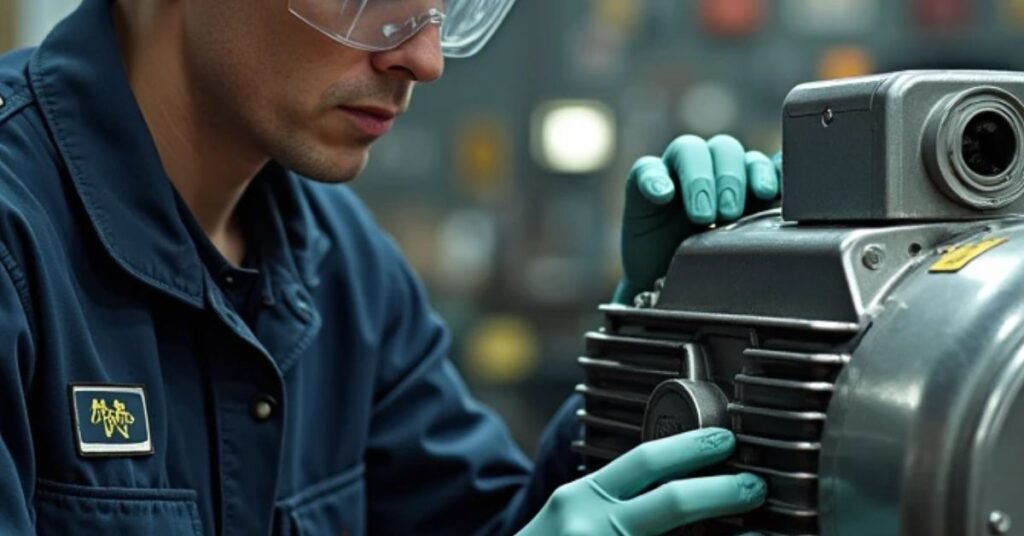
The condition of the motor’s exterior should also be examined. Cracks, corrosion, or wear on the casing may indicate internal problems. Periodic inspections focusing on connectors and terminals help detect visible signs of deterioration. Each inspection should be performed systematically and routinely to ensure any anomalies are addressed immediately, preventing further damage.
Non-Visible Signs and Internal Inspections
Electric motors, essential components in various industrial systems, can exhibit wear that is not easily visible to the naked eye. To ensure their longevity and proper operation, it is crucial to perform internal inspections and use effective diagnostic techniques. Among the main tools available to identify hidden problems are thermography and vibration analysis.
Thermography, a technique that uses thermal imaging to detect temperature variations, allows technicians to identify hot spots in electrical components. Overheating is an indicator of potential failures such as overload or connection problems. This method is especially useful because it can be performed while the motor is operating, providing a comprehensive view of the thermal condition without interrupting production.
Another valuable technique is vibration analysis, which evaluates the motor’s vibrational signature. Over time, bearing wear, misalignment, and other structural issues can alter this vibration pattern. Using proper sensors and measurement equipment, technicians can detect anomalies that would otherwise go unnoticed. This approach not only aids in early fault detection but also plays a vital role in developing predictive maintenance strategies.
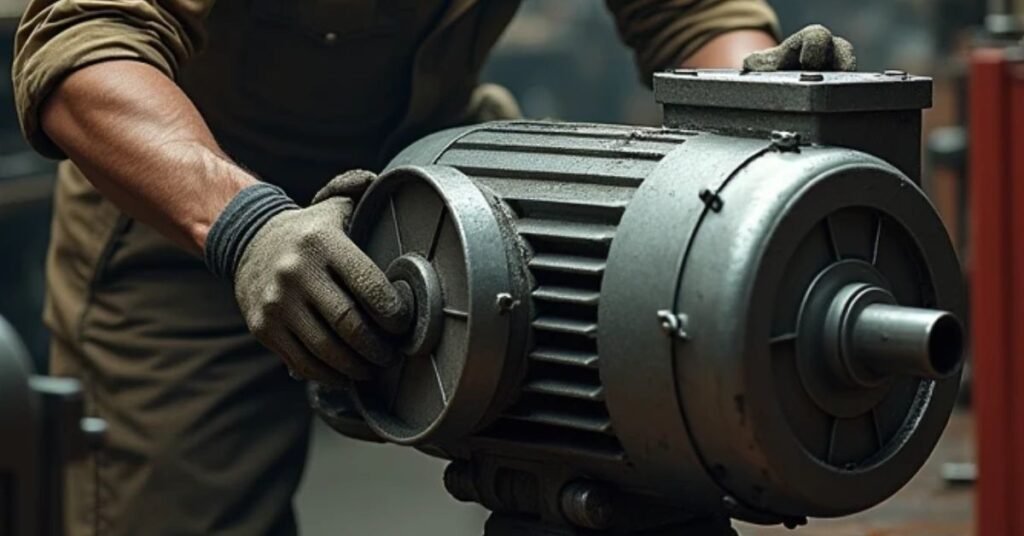
In addition to diagnostic techniques, regular maintenance is essential to prevent serious motor damage. Periodic checks of lubrication levels, alignment, and internal cleaning are recommended. These activities can significantly reduce the likelihood of unexpected failures and extend the motor’s lifespan. Conducting internal inspections and using advanced diagnostic methods can transform maintenance practices, ensuring efficiency and operational continuity in systems that depend on electric motors. Therefore, implementing these practices is fundamental to the safe and effective operation of electromechanical equipment.
Conclusion and Maintenance Best Practices
Electric motors are essential components in a wide range of industrial and commercial applications. Identifying signs of wear, such as abnormal noises, excessive vibrations, and overheating, is crucial to ensure proper operation and extend their lifespan. Regular maintenance not only prevents unexpected breakdowns but also ensures efficient motor performance, resulting in significant savings in energy and repair costs.
It is essential that operators and technicians develop strong maintenance habits. Performing periodic inspections is one of the best practices to detect problems early. These inspections should include visual checks, performance analysis, and temperature measurements. Additionally, regular motor cleaning and lubrication system checks can prevent dirt buildup and excessive wear, contributing to optimal performance.
Another important aspect is staff training. Investing in training for operators and technicians to recognize early signs of wear is essential. They should be able to apply standard maintenance procedures and address issues before they become critical. The use of monitoring technologies, such as vibration sensors, can be a valuable tool to assist in identifying motor anomalies.
In summary, proactive maintenance should be a priority for any organization that relies on electric motors. The combination of regular inspections, effective maintenance practices, and proper staff training minimizes the risk of failure and helps ensure motor longevity, promoting a more efficient and safe operational environment.
Did you enjoy reading about signs of wear? You might also enjoy reading about the difference between preventive and corrective maintenance for electric motors.
FAQ: Signs of Wear in Electric Motors
1. What are the most common signs of wear in electric motors?
Common signs include unusual noises, excessive vibrations, overheating, smoke, and reduced performance. These symptoms often indicate mechanical or electrical issues that require immediate attention.
2. Why is it important to detect wear early in an electric motor?
Early detection prevents small issues from becoming major failures. It helps avoid costly repairs, unplanned downtime, and potential damage to connected systems.
3. What causes wear in electric motors?
Wear can result from overload, poor lubrication, misalignment, excessive heat, or contamination from dust and moisture. These factors accelerate the degradation of internal components.
4. Which motor components are most susceptible to wear?
Bearings, stators, and windings are the most affected. Bearings often fail due to friction and lack of lubrication, while stator and winding wear typically result from overheating or insulation breakdown.
5. How can vibration analysis help identify motor wear?
Vibration analysis detects irregular movement patterns that signal mechanical issues such as bearing damage, imbalance, or misalignment, allowing maintenance teams to act before a failure occurs.
6. What role does thermography play in detecting motor wear?
Thermography uses infrared imaging to identify hot spots that indicate overheating, poor electrical connections, or overload conditions—signs that components are wearing down.
7. Can smoke or unusual smells be a sign of motor wear?
Yes. Smoke or burning odors may indicate overheating, insulation failure, or short circuits inside the motor. These symptoms should be investigated immediately to prevent fire hazards.
8. How often should electric motors be inspected for wear?
Routine inspections should occur at least every six months, though high-demand environments may require quarterly or even monthly checks, depending on operational intensity.
9. What maintenance practices help reduce motor wear?
Regular lubrication, cleaning, proper alignment, and temperature monitoring are key. Implementing a preventive maintenance schedule ensures consistent performance and extends motor life.
10. Why should operators be trained to identify signs of wear?
Properly trained operators can detect early warning signs and report them before major failures occur. This proactive approach increases safety, minimizes downtime, and reduces operational costs.
See also: How To Find Sparking/Short Circuit Ryobi Router Commutator.