Modern Tools for Diagnosing Electric Motors
Electric motors play a pivotal role in a vast array of applications, ranging from industrial machinery to household appliances. These devices convert electrical energy into mechanical energy, making them integral to the smooth operation of numerous systems. The demand for efficient motor performance underscores the importance of understanding electric motor diagnostics, as even minor failures can lead to significant productivity losses and safety hazards.
Ensuring reliability and operational efficiency in electric motors necessitates a thorough diagnostic process. Over time, electric motors can experience various issues, including overheating, imbalanced rotor conditions, insulation failures, and mechanical wear. The repercussions of neglected motor health can be severe, often resulting in unscheduled downtime, costly repairs, and, in some cases, catastrophic equipment failure. Therefore, it is essential for maintenance personnel and engineers to identify potential problems before they manifest into more significant concerns.
Traditionally, diagnosing electric motor issues has relied on visual inspections, electrical testing, and vibration analysis. While these methods can provide valuable insights into a motor’s condition, they often lack the precision and comprehensiveness that modern tools offer. Traditional diagnostic practices may not always catch subtle irregularities or performance inefficiencies, highlighting the need for advancement in diagnosing techniques.
With technological advancements, modern diagnostic tools now provide a robust framework for monitoring the health and operation of electric motors. These tools facilitate real-time analysis and trend monitoring, thereby improving the predictive maintenance capabilities of teams. As a result, embracing modern tools for electric motor diagnosis not only enhances reliability but also streamlines the overall maintenance process, paving the way for sustainable equipment performance in various applications.
Advancements in Diagnostic Tools
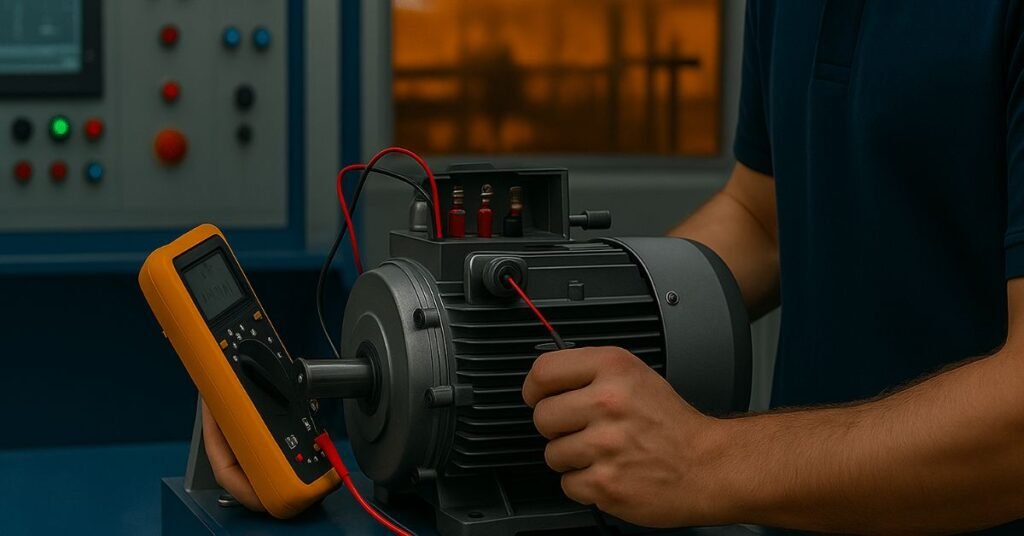
The evolution of diagnostic tools for electric motors signifies a pivotal shift in how maintenance professionals approach troubleshooting and predictive analysis. Among the most notable advancements are vibration analyzers, thermal imaging cameras, and electrical testing equipment, each designed to address specific operational concerns.
Vibration analyzers serve as a critical instrument in monitoring the mechanical condition of an electric motor. By capturing the vibrational patterns, these devices can identify irregularities such as imbalance, misalignment, or bearing wear. The data provided enables technicians to implement timely interventions, reducing the likelihood of catastrophic failures and extending the motor’s lifespan.
Thermal imaging cameras represent another significant advancement in diagnosing electric motors. These cameras can detect variations in temperature that may indicate underlying issues, such as overheating windings or failing components. The ability to visualize heat patterns allows for quick identification of potential problems, enabling maintenance teams to act swiftly before minor issues escalate into significant downtime or costly repairs.
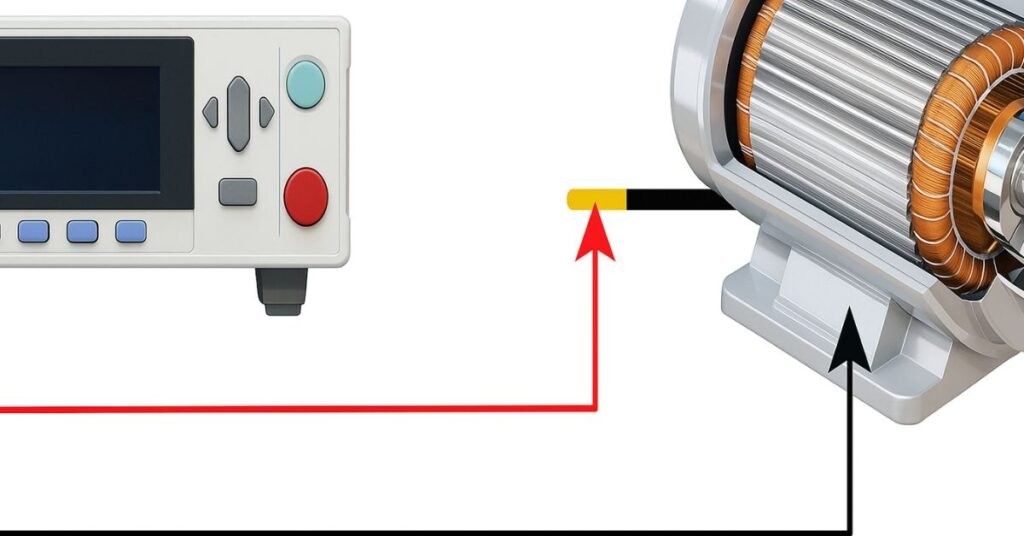
Moreover, electrical testing equipment is indispensable in assessing the electrical parameters of motors. Techniques such as insulation resistance testing and power quality analysis help ascertain the health of an electric motor’s electrical systems. By measuring variables like resistance and current distortion, professionals can gauge the efficiency and reliability of an electric motor’s operation.
The benefits of deploying these modern diagnostic tools over traditional methods cannot be understated. Enhanced accuracy in identifying issues minimizes unnecessary labor costs and operational disruptions. Additionally, the efficiency offered by real-time data analysis empowers maintenance teams to adopt predictive maintenance strategies, significantly improving the reliability of electric motor operations. Collectively, these advancements epitomize a proactive approach to motor diagnostics, paving the way for improved performance and reduced troubleshooting time.
Case Studies: Real-World Applications of Diagnostic Tools
Modern diagnostic tools for electric motors have been pivotal in various industries demonstrating their effectiveness in maintaining operational efficiency and reducing maintenance costs. A notable example is in the manufacturing sector, where a major automotive assembly plant faced frequent motor failures impacting production schedules. Upon implementing advanced vibration analysis tools, the plant discovered underlying misalignments and imbalance issues in several motors. By addressing these problems through real-time diagnostics, the facility not only improved motor performance but also enhanced production uptime, ultimately leading to a significant reduction in operational costs.
Another compelling case study comes from the water treatment industry. A water treatment facility was experiencing unexpected outages due to motor failures in the pumping system. The introduction of infrared thermography allowed the maintenance team to identify overheating motors and locate loose connections, which would have otherwise remained undetected. This proactive approach led to targeted maintenance practices, ensuring motors operated within optimal temperature ranges, thereby minimizing failures and extending the lifespan of critical machinery.
Further illustrating the practical application of diagnostic tools, a renewable energy company utilized advanced electrical signature analysis on their wind turbines. Through thorough analysis, the team identified irregularities in the electrical waveforms indicating insulation failure and winding issues before catastrophic failures could occur. By employing predictive maintenance grounded in diagnostic tool insights, the company not only mitigated downtime but also optimized maintenance schedules which ultimately contributed towards lower operational costs and increased output efficiency.
These case studies underscore the importance of implementing modern diagnostic tools in various settings. They demonstrate that, when integrated effectively, these tools not only diagnose existing issues but also prevent future problems, significantly impacting maintenance strategies and enhancing overall performance. The successful application of these technologies serves as a convincing argument for their integration into best practices for electric motor maintenance.
Future Trends in Electric Motor Diagnostics
The rapid evolution of technology is reshaping the landscape of electric motor diagnostics, with emerging trends poised to enhance the efficiency and reliability of motor maintenance strategies. One of the most significant advancements is the integration of artificial intelligence (AI) into diagnostic processes. AI algorithms can analyze vast amounts of operational data, identifying patterns that may indicate early signs of failure. This capability not only facilitates timely interventions but also optimizes the performance of electric motors by fine-tuning operational parameters based on historical performance data.
Another transformative trend is the utilization of Internet of Things (IoT) devices. With the advent of IoT, electric motors can be equipped with smart sensors that continuously monitor operational metrics such as temperature, vibration, and current. By transmitting real-time data to cloud-based platforms, these sensors enable proactive monitoring of motor conditions and facilitate immediate corrective actions when anomalies are detected. As a result, maintenance teams can shift from reactive to predictive maintenance strategies, ultimately prolonging the lifespan of electric motors and reducing downtime.
Predictive maintenance techniques are emerging as critical components in electric motor diagnostics. Leveraging advanced analytics and machine learning, maintenance schedules can be optimized based on actual equipment conditions rather than preset time intervals. This approach minimizes unnecessary maintenance interventions while ensuring that motors are serviced before failure occurs. However, the adoption of these technologies is not without challenges. Concerns regarding data security, interoperability between devices, and the necessity for skilled personnel to interpret complex data analytics must be addressed. Despite these hurdles, the potential benefits of improved diagnostics, reduced operational costs, and enhanced motor lifespan present a compelling case for the integration of modern tools and methodologies.
Conclusion
In today’s technology-driven world, diagnosing electric motors has evolved from simple inspection methods to sophisticated, data-driven processes. The integration of advanced diagnostic tools such as vibration analyzers, thermal imaging cameras, and electrical testing equipment has revolutionized how engineers and maintenance teams monitor motor performance. These modern solutions enable early fault detection, reduce downtime, and extend equipment lifespan—transforming maintenance from reactive to predictive.
As industries continue to embrace AI, IoT, and predictive maintenance, the future of electric motor diagnostics looks increasingly intelligent and interconnected. By adopting these modern technologies, organizations can enhance efficiency, improve safety, and optimize operational costs. Ultimately, investing in advanced diagnostic tools isn’t just about maintaining motors—it’s about ensuring long-term reliability, sustainability, and performance across all applications.
Read Also: Noises and Vibrations in Electric Motors
FAQ – Modern Tools for Diagnosing Electric Motors
1. What are the most common tools used for diagnosing electric motors?
The most common tools for diagnosing electric motors include vibration analyzers, thermal imaging cameras, and electrical testing equipment. These devices help detect issues such as imbalance, overheating, insulation failure, and bearing wear, allowing for early maintenance and reduced downtime.
2. Why is diagnosing electric motors important for industrial operations?
Diagnosing electric motors is essential to maintain operational efficiency and safety. Early detection of mechanical or electrical problems prevents costly repairs, unplanned shutdowns, and potential equipment failures that could disrupt production.
3. How does vibration analysis help in diagnosing electric motors?
Vibration analysis detects mechanical issues like imbalance, misalignment, or bearing damage. By measuring vibration frequencies and amplitudes, technicians can identify abnormalities before they cause severe motor damage or performance loss.
4. Can thermal imaging detect hidden problems in electric motors?
Yes. Thermal imaging reveals temperature variations that indicate potential issues such as overheating windings, loose connections, or inefficient cooling. This non-invasive diagnostic method provides real-time insights without disassembling the motor.
5. How does the Internet of Things (IoT) improve electric motor diagnostics?
IoT technology allows smart sensors to continuously monitor a motor’s condition—tracking temperature, vibration, and current flow in real time. This enables predictive maintenance and instant alerts when anomalies occur, reducing downtime and maintenance costs.
6. What role does Artificial Intelligence (AI) play in diagnosing electric motors?
AI enhances diagnosing electric motors by analyzing vast data sets from sensors and identifying subtle patterns that indicate early signs of failure. This predictive capability improves maintenance planning and extends equipment lifespan.
7. What is the difference between traditional and modern motor diagnostic methods?
Traditional methods rely on manual inspections and basic electrical testing, while modern diagnostics use advanced sensors, data analytics, and real-time monitoring. The result is more precise fault detection and better maintenance efficiency.
8. How often should electric motors be diagnosed or tested?
The frequency depends on the motor’s operating conditions, load, and environment. However, regular monitoring—especially using automated or IoT-enabled systems—ensures consistent performance and early detection of wear or failure.
9. Can modern diagnostic tools help reduce maintenance costs?
Absolutely. By identifying problems before they escalate, modern diagnostic tools minimize unscheduled downtime, repair costs, and component replacements, leading to more efficient maintenance strategies and improved ROI.
10. What is the future of diagnosing electric motors?
The future lies in AI-driven predictive maintenance, IoT integration, and cloud-based data analytics. These technologies will enable smarter, real-time diagnostics, making electric motor maintenance more efficient, reliable, and sustainable.
See also: Brushed vs Brushless Motors – What’s the difference.