Vibration Analysis: Its Importance and Applications
Vibration analysis is a crucial technique used to assess the condition of machinery and equipment by measuring and interpreting the vibrations they produce during operation. This method focuses on identifying any abnormalities that may indicate potential malfunctions or failures, thus enabling proactive maintenance. Essentially, it examines various types of vibrations, including translational, rotational, and angular vibrations, which can be indicative of different mechanical problems.
The process involves using specialized tools such as accelerometers, displacement sensors, and even microphone systems to capture vibration data. These instruments can detect changes in frequency, amplitude, and phase of the vibrations, providing insights into the operational health of the equipment. By analyzing this data, engineers can determine if there are issues such as imbalance, misalignment, wear, or looseness present in mechanical systems.
This type of analysis finds wide application in various sectors, including manufacturing, aerospace, automotive, and energy. In the manufacturing sector, for example, vibration analysis is used in production lines to ensure the proper functioning of machines, avoiding costly downtime. In the aerospace industry, it plays a crucial role in maintaining the operational reliability of aircraft components. Similarly, the automotive sector uses this analysis to diagnose problems in engine and suspension components, improving vehicle performance and safety.
The theoretical foundation of vibrations connects to various principles of mechanical systems, where every component has a natural frequency. When a machine operates, it generates vibrational energy, which can be monitored and evaluated. Through a combination of theory and practical application, vibration analysis not only enhances preventive maintenance strategies but also extends the lifespan of machinery, leading to improved efficiency and reduced operational costs.
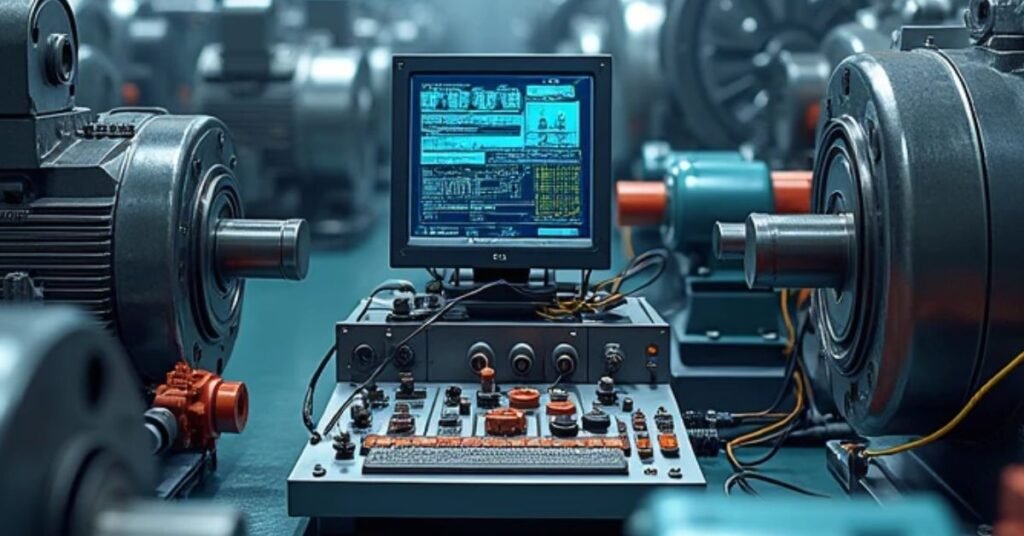
The Importance of Vibration Analysis in Maintenance
Vibration analysis is a vital aspect of maintenance strategies across numerous industries, particularly in manufacturing, energy, and transportation sectors. This technique involves monitoring the vibrations emitted by machinery to identify any irregular patterns that may indicate potential failures. One of the primary reasons for employing vibration analysis in maintenance is its capacity for early detection of issues, which significantly aids in preventing costly downtimes. By catching irregularities early, maintenance teams can address problems before they escalate into major failures, thus ensuring uninterrupted operations.
Moreover, implementing analysis can lead to substantial improvements in the lifespan of equipment. Regular monitoring allows for timely intervention in the face of developing problems, thereby reducing wear and tear on machinery. This approach not only helps to extend the working life of components but also minimizes the need for frequent replacements, translating to significant cost savings over time.
The operational efficiency of an organization is also enhanced through the use of analysis. By maintaining equipment in optimal condition, businesses can ensure smoother and faster operations. Furthermore, the data obtained from vibration analysis can assist in scheduling maintenance during non-productive hours, which maximizes the timeframe for production activities. Effective maintenance planning based on accurate diagnostic insights contributes to a more reliable operational environment.
Several case studies exemplify the successful application of analysis in predictive maintenance. For instance, an energy sector company utilized vibration analysis to identify early signs of bearing failures in turbines, allowing for proactive maintenance that saved substantial repair costs and prolonged equipment life. Another case involved a manufacturing plant that achieved a 30% increase in equipment reliability by integrating vibration analysis into their maintenance routine. These examples underscore the critical role that vibration analysis plays in enhancing overall equipment reliability and maintaining seamless operations.
Applications of Vibration Analysis Across Industries
Vibration analysis plays a crucial role in various industries, ensuring safety, enhancing performance, and optimizing maintenance protocols. In the manufacturing sector, it is utilized to monitor machinery condition, detect imbalances, and diagnose faults before they lead to costly downtime or equipment failure. For example, an automotive manufacturer may use vibration analysis to assess the performance of engines and suspension systems, allowing them to identify areas requiring improvement and thus enhance vehicle reliability.
In the aerospace industry, vibration analysis is essential for aircraft performance and safety. Engineers employ vibration testing during the design and testing phases to ensure structural integrity and durability of aircraft components. This application helps in confirming that critical parts, like turbine blades and fuselage structures, can withstand operational stresses and vibrations encountered during flight. Regular vibration monitoring on in-service aircraft also aids in predictive maintenance, thereby mitigating risks associated with mechanical failures that could compromise safety.
The energy sector extensively uses vibration analysis for monitoring the health of turbines, generators, and rotating equipment. Power plants implement vibration monitoring systems to detect early signs of wear or faulty components in their machinery. This technique not only minimizes the risk of catastrophic failures, but it also contributes to more efficient energy production. Moreover, advancements in technology have led to the integration of the Internet of Things (IoT) and machine learning in vibration analysis. By leveraging real-time data collection and analytics, companies can gain insightful information regarding equipment performance, enabling them to make data-driven decisions that enhance maintenance strategies and operational efficiency.
Overall, the applications of vibration analysis span across industries, demonstrating its significance in ensuring operational efficacy and improving safety protocols. As technological advancements continue to emerge, the potential uses and impact of vibration analysis are expected to expand even further.
Future Trends in Vibration Analysis
As industries increasingly adopt advanced technologies, the future of vibration analysis is poised for significant transformation. One of the most pivotal advancements is the integration of artificial intelligence (AI) and big data analytics into vibration analysis frameworks. These technologies facilitate the processing of vast amounts of data collected from machinery, translating it into actionable insights regarding the health and performance of equipment. The incorporation of AI algorithms enhances the accuracy of vibration analysis, enabling more precise detection of anomalies that may prelude equipment failure.
Moreover, machine learning models can be trained on historical vibration data to identify patterns and predict potential failures before they occur. This shift towards predictive maintenance practices enables businesses to transition from reactive maintenance strategies, ultimately reducing downtime and associated costs. By leveraging big data, organizations can continuously monitor equipment health, allowing for timely interventions and optimized maintenance schedules.
Furthermore, the evolution of Internet of Things (IoT) technology, which connects devices for real-time data transmission, complements developments in vibration analysis. IoT-enabled sensors can gather vibration data remotely, providing organizations with a consistent stream of information. This facilitates not only improved monitoring but also allows for more sophisticated analysis methodologies as vast datasets become readily accessible. Consequently, asset management can be executed with greater confidence, ensuring that maintenance practices align with operational needs.
Looking ahead, we can expect to see a continued refinement of vibration analysis tools and techniques driven by these technological advancements. As businesses invest in these innovative solutions, the capabilities for real-time analytics, predictive modeling, and remote monitoring are expected to evolve, paving the way for enhanced operational efficiencies and proactive asset management strategies.

Conclusion
Vibration analysis has become an indispensable tool for ensuring equipment reliability, operational efficiency, and long-term asset health. By examining how machines behave under normal and abnormal vibration patterns, organizations gain valuable diagnostic insights that help prevent failures before they occur. This predictive capability enables teams to transition from reactive maintenance to a more proactive and strategic approach, ultimately improving productivity and minimizing unnecessary disruptions.
Across industries such as manufacturing, aerospace, automotive, and energy, vibration analysis continues to prove its value in reducing downtime, optimizing equipment performance, and extending asset lifespan. Its ability to identify issues like imbalance, misalignment, wear, or structural weaknesses allows businesses to make informed maintenance decisions. Real-world case studies consistently demonstrate that integrating vibration analysis into maintenance routines leads to increased reliability, reduced repair costs, and improved operational safety.
As technology evolves, the future of vibration analysis is set to advance even further through the integration of AI, machine learning, IoT connectivity, and big data analytics. These innovations will empower businesses to capture more accurate real-time data, predict failures with greater precision, and improve maintenance planning across all sectors. Ultimately, vibration analysis will continue to play a critical role in supporting modern maintenance strategies and sustaining long-term operational excellence.
Read Also: IoT and Automation in Electric Motors.
FAQ
1. What is vibration analysis and why is it important?
It is a diagnostic technique used to measure and interpret the vibrations produced by machines during operation. It is important because it helps identify early signs of mechanical problems, such as imbalance, misalignment, play, or wear, allowing companies to prevent failures before they occur.
2. How does vibration analysis help reduce downtime?
By detecting abnormalities early, the analysis allows maintenance teams to address potential problems before they escalate. This proactive approach significantly reduces the likelihood of unexpected breakdowns, which helps avoid costly downtime and keeps operations running smoothly.
3. What tools are commonly used in vibration analysis?
Common tools used in this type of analysis include accelerometers, displacement sensors, velocity sensors, and microphones. These instruments measure changes in frequency, amplitude, and phase, providing detailed information about a machine’s condition.
4. Which industries benefit the most from vibration analysis?
Industries such as manufacturing, aerospace, automotive, and energy rely heavily on vibration analysis. It is used to monitor rotating equipment, engine components, turbines, generators, and structural parts to ensure safety, reliability, and efficiency.
5. Can vibration analysis extend the lifespan of equipment?
Yes. By identifying and correcting minor problems before they become serious failures, analysis helps reduce component wear. This extends the lifespan of the equipment and reduces the need for frequent replacements.
6. How is vibration analysis used in predictive maintenance?
Vibration data is analyzed over time to identify patterns and detect early signs of deterioration. This allows maintenance teams to schedule repairs and replacements before failure occurs, making it a cornerstone of predictive maintenance strategies.
7. What role does vibration analysis play in safety?
Proper vibration monitoring helps detect dangerous structural or mechanical conditions that could result in accidents or equipment failure. This contributes to a safer work environment and helps organizations comply with safety standards.
8. How is IoT technology improving vibration analysis?
IoT-enabled sensors allow for real-time vibration monitoring, even from remote locations. This continuous data stream improves accuracy, speeds up detection of abnormalities, and enhances overall maintenance planning.
9. What advancements are shaping the future of vibration analysis?
Artificial intelligence, machine learning, and big data analytics are transforming vibration analysis. These technologies enable more precise anomaly detection, predictive modeling, and smarter maintenance decision-making.
10. Is vibration analysis cost-effective for businesses?
Absolutely. By preventing catastrophic failures, reducing downtime, extending equipment life, and improving maintenance planning, vibration analysis significantly lowers operational costs and boosts long-term efficiency.
See also: Understanding Vibration and Resonance.