Understanding Electrical Failures in Motors
Electrical failures in motors represent a significant concern within the field of industrial machinery. Such failures can arise from a variety of circumstances and may hinder the overall efficiency and productivity of operations. Understanding these failures is critical for maintenance managers and engineers, as it aids them in identifying vulnerabilities within the motor systems and implementing appropriate corrective measures.
In industrial applications, motors serve as the backbone for various machinery and processes, driving productivity and operational outcomes. Electrical failures not only compromise the performance of these motors but can also lead to severe repercussions, including increased downtime, safety hazards, and higher maintenance costs. Thus, comprehending the underlying causes of electrical failures is essential for industries that rely on consistent motor functionality.
Common issues that arise with electric motors include overheating, short circuits, and insulation breakdown. Overheating often results from excessive current flow or inadequate ventilation, leading to thermal stress. Short circuits can occur due to insulation failure or contact between conductive components, while insulation degradation usually stems from prolonged exposure to heat and moisture. These problems can severely hinder motor performance and longevity.
Additionally, the financial implications of electrical failures cannot be overstated. Unscheduled downtime caused by these failures not only disrupts the production line but also generates substantial costs in repairs and replacement. Furthermore, the effects on safety are paramount, as electrical faults can lead to hazardous situations posing risks to personnel and equipment. As such, proactive understanding of electrical failures, their causes, and their preventive measures is vital for the efficient operation of motors in industrial settings.
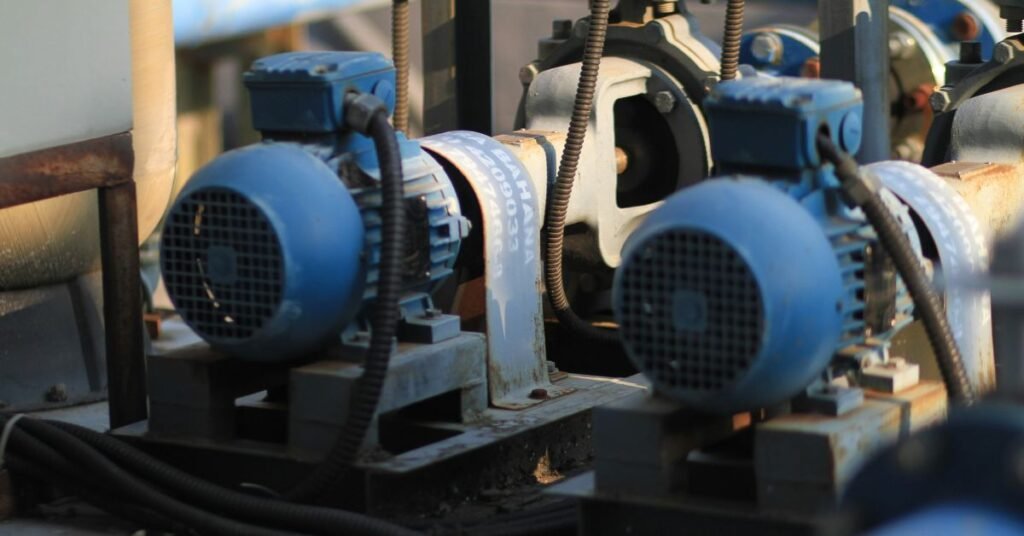
Main Causes of Electrical Failures in Motors
Electrical failures in motors can severely impact performance and reliability. Understanding the main causes of these failures is crucial for effective prevention and maintenance strategies. The primary factors leading to these issues can be categorized into four main areas: insulation breakdown, overheating, voltage spikes, and mechanical wear.
Insulation breakdown is a significant contributor to electrical failures in motors. This phenomenon occurs when the insulating materials surrounding the electrical windings deteriorate due to various influences, including heat and moisture. When insulation fails, it can lead to shorts between windings or even ground faults. Statistics suggest that insulation failure accounts for nearly 40% of motor failures; thus, the integrity of insulating materials is paramount in electrical motor design and upkeep.
Overheating represents another critical cause of electrical failures. Motors can overheat due to excessive load, inadequate ventilation, or poor heat dissipation. Prolonged exposure to high temperatures increases resistance in winding materials, leading to premature failure. Monitoring motor temperature and ensuring proper airflow can significantly reduce this risk and enhance motor longevity.
Voltage spikes, often resulting from abrupt changes in electrical supply, also pose a serious threat to motor systems. These spikes can cause immediate damage to the windings or result in insulation failure. Implementing surge protection devices can help mitigate this risk, thereby preserving motor integrity.
Lastly, mechanical wear, which encompasses the degradation of components such as bearings and shafts, can lead to misalignment and increased friction, ultimately affecting electrical performance. Regular maintenance and monitoring of mechanical components can prevent this wear from escalating to a point where it compromises motor function.
In conclusion, recognizing and addressing the main causes of electrical failures in motors enhances both reliability and efficiency. Through proactive measures including regular inspections and proper operational practices, the risk of these failures can be significantly reduced.
Strategies to Prevent Electrical Failures
Preventing electrical failures in motors is critical for ensuring operational efficiency and longevity. One of the key strategies to mitigate such failures is the establishment of regular maintenance routines. These routines should encompass scheduled inspections and testing of motor components, including insulation resistance testing and thermal imaging to detect hotspots. By adhering to these systematic checks, any potential issues can be identified and rectified before they escalate into significant failures.
In addition to regular maintenance, the implementation of monitoring systems plays a pivotal role in preventing electrical failures. Advanced systems that monitor electrical parameters such as voltage, current, and temperature can provide real-time data. This proactive approach enables operators to respond to anomalies promptly, ensuring that the motors are functioning within their specified parameters. Having access to monitoring technology can significantly reduce the risk of unexpected breakdowns.
Proper installation practices are equally important. Adhering to manufacturer guidelines during installation can minimize the likelihood of electrical failures. This includes ensuring appropriate alignment, selecting the right power supply, and verifying that all components are securely connected. Moreover, using high-quality materials and components in motor construction cannot be overstated, as inferior materials are more prone to wear and can lead to premature failures.
Lastly, training personnel on identifying early warning signs of potential failures is a crucial strategy. Employees should be educated on the hydraulic systems they oversee, including recognizing unusual vibrations, sounds, or smells. Effective communication and monitoring practices can facilitate a culture of safety and awareness, where staff can be instrumental in preemptively addressing issues. Investing in employee training, along with utilizing robust materials and technology, ultimately enhances motor reliability and operational success.
Conclusion and Future Considerations
In conclusion, understanding the intricacies of electrical failures in motors is crucial for any industry relying on these essential mechanical components. The key factors contributing to these failures have been discussed extensively, including overheating, insulation degradation, and electrical imbalances. Each of these issues can severely impact motor performance, leading to increased downtime and maintenance costs. By recognizing these causes, professionals can implement proactive measures to prevent failures and optimize motor longevity.
Proactive maintenance strategies such as regular inspections, predictive analysis, and timely interventions can significantly mitigate the risks associated with electrical failures. Such an informed approach not only enhances operational efficiency but also extends the life of motor systems. Investing in staff training and updating organizational procedures to reflect best practices for maintenance and monitoring can further bolster system reliability. This shift towards a preventive mindset reduces the likelihood of unexpected failures and creates a more sustainable operational environment.
Looking ahead, staying informed about emerging technologies and trends in motor manufacturing and maintenance practices will be essential. Innovations, such as advanced monitoring systems and smart motor technologies, offer promising solutions for real-time performance tracking and predictive maintenance. As industries evolve and adapt to new technologies, embracing these advancements can lead to more efficient operations and reduced costs associated with neglected maintenance.
Ultimately, maintaining awareness of industry best practices and remaining proactive in addressing potential electrical issues within motors will lead to enhanced operational resilience. By fostering a culture of prevention and encouraging ongoing education, organizations can ensure their motor systems remain efficient and effective for years to come.
If you enjoyed Electrical Failures in Motors, you might also like: How to Identify Signs of Wear in Electric Motors
FAQ: Electrical Failures in Motors
1. What are electrical failures in motors?
Electrical failures in motors refer to malfunctions within a motor’s electrical components, such as the windings, insulation, or connections. These failures often result in reduced efficiency, overheating, or complete motor breakdown.
2. What are the most common causes of electrical failures in motors?
The main causes include insulation breakdown, overheating, voltage spikes, and mechanical wear. Each of these factors can independently or collectively contribute to a loss of motor performance.
3. How does insulation breakdown affect motor performance?
When the insulation around the motor windings deteriorates due to heat, moisture, or contamination, it can lead to short circuits or ground faults. This issue is responsible for nearly 40% of motor failures.
4. Why does overheating occur in electric motors?
Overheating often results from excessive loads, inadequate ventilation, or poor heat dissipation. Prolonged high temperatures weaken motor components, reduce insulation effectiveness, and lead to premature failure.
5. What are voltage spikes, and how do they damage motors?
Voltage spikes are sudden increases in electrical voltage that can occur due to power fluctuations or switching events. These spikes can instantly damage the winding insulation and cause electrical arcing or short circuits.
6. Can mechanical wear contribute to electrical failures?
Yes. Mechanical issues such as worn bearings or misaligned shafts can increase friction and vibration, indirectly causing electrical imbalances and insulation damage over time.
7. What maintenance strategies help prevent electrical failures?
Preventive maintenance should include scheduled inspections, insulation resistance testing, thermal imaging, and real-time monitoring of voltage and temperature. These practices help detect problems early.
8. How can proper installation reduce electrical failure risks?
Following manufacturer installation guidelines—ensuring correct alignment, secure electrical connections, and the use of proper materials—reduces the likelihood of early electrical and mechanical failures.
9. What role does employee training play in preventing electrical failures?
Training equips personnel to recognize warning signs such as unusual noises, vibrations, or smells. Educated staff can report issues early, helping prevent costly breakdowns and promoting safer operations.
10. What are future trends in preventing motor electrical failures?
The future lies in smart monitoring systems, predictive analytics, and the use of advanced materials. These technologies enable real-time fault detection, improve efficiency, and support predictive maintenance strategies.
See also: Broken Electric Motor? HOW TO Test If A Motor Armature With Commutator Is Damaged.